Design & Technology

Drone, LiDAR & 3D Design

See Our Process

We bring cutting-edge technology into every project. Drone surveying, LiDAR 3D scanning, and digital modelling are a standard part of our build process, ensuring millimetre accuracy from day one.

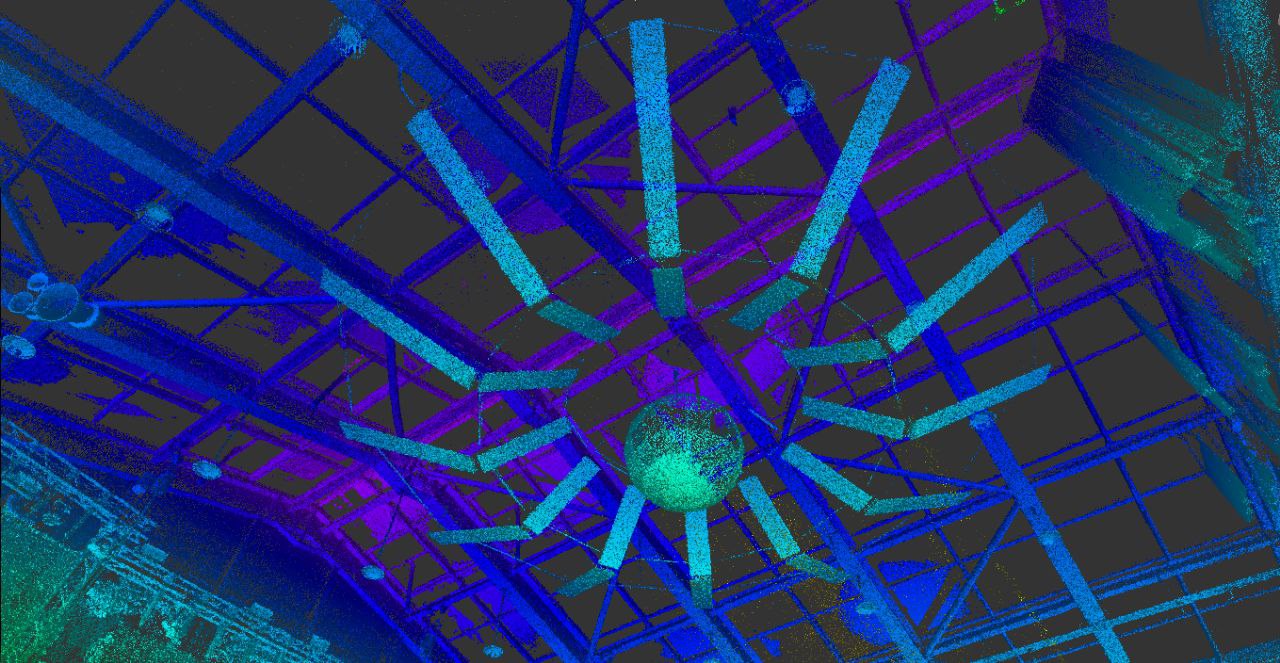
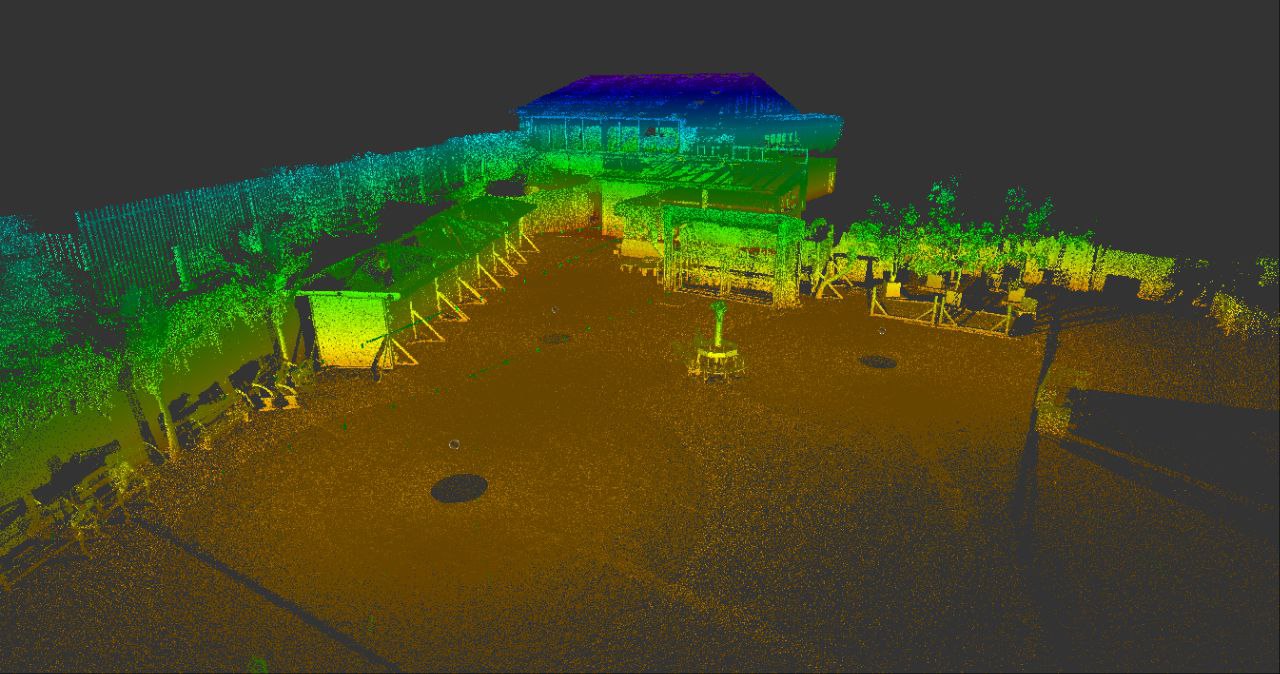
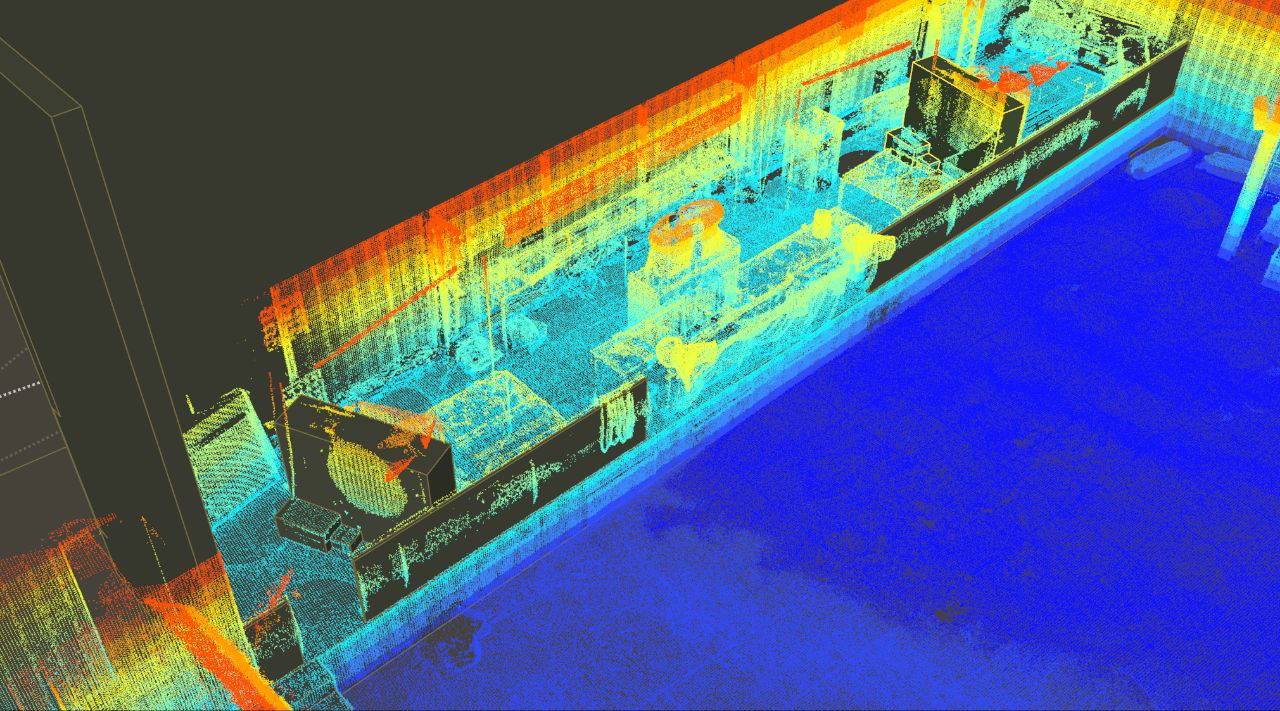
Before we pick up a single tool, we capture your entire space using a LiDAR scanner, the same technology used in architecture, engineering and film production. The scanner fires millions of laser pulses per second, creating a millimetre-accurate 3D point cloud of every wall, beam, pipe and surface in your venue.

This data becomes the foundation for everything that follows. We build precise 3D models in SketchUp, overlay them on the real scan data, and visualise the finished design within the actual space, before any construction begins. The result: fewer surprises, tighter cost estimates, and a finished build that matches what was promised.

For restaurant owners, this means less wasted time, less wasted money, and a space that works exactly as planned from day one.

Our Process

Four steps from existing space to finished restaurant

1

LiDAR Scanning

The LiDAR scanner is brought on site to capture the entire space in high-resolution 3D. It sits on a tripod and rotates, firing millions of laser points to map every surface, corner and obstacle with millimetre precision. Multiple scan positions ensure complete coverage; nothing is missed.
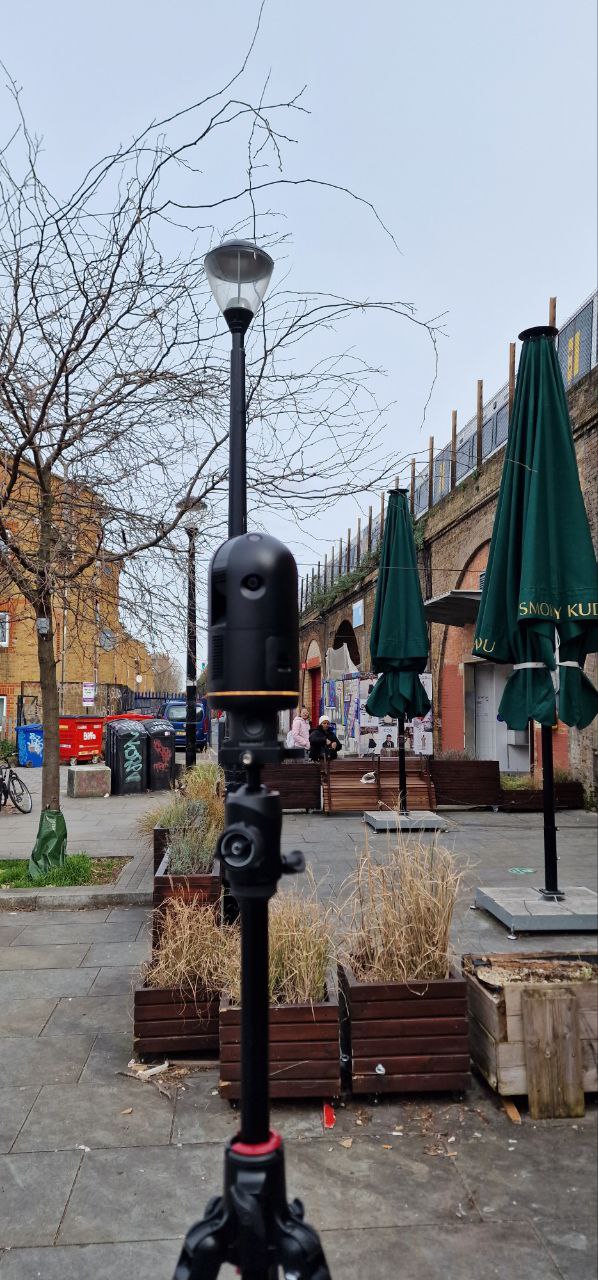
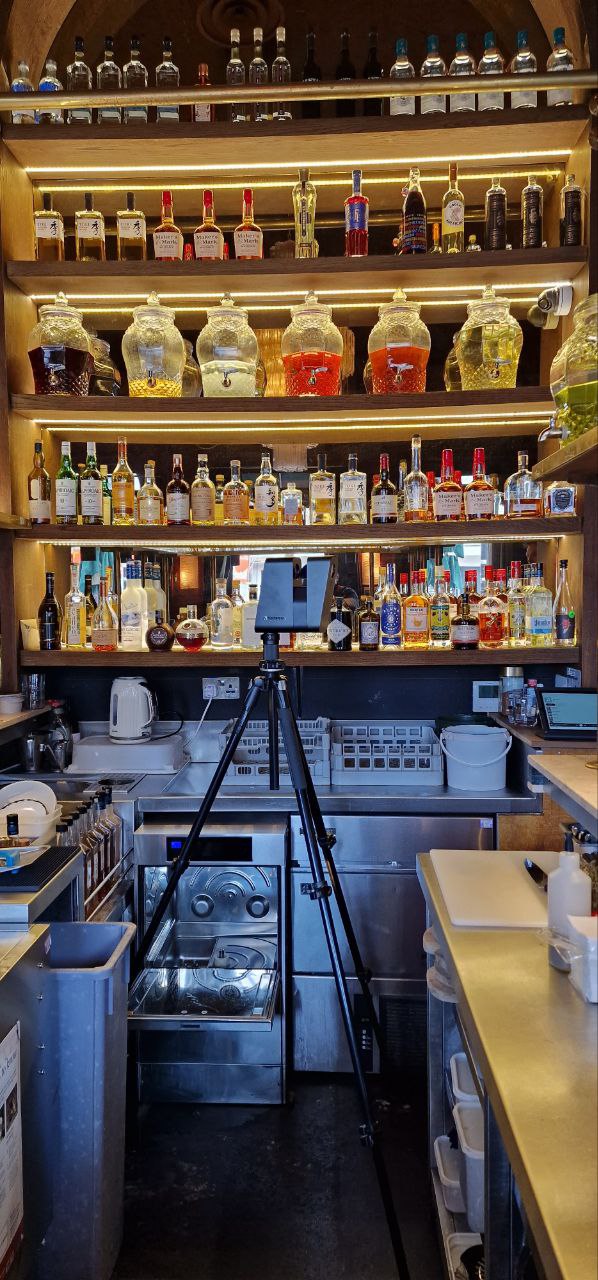
LiDAR scanner on tripod outside Smokey Kudu restaurant LiDAR scanner scanning behind a bar, capturing bottle shelves
2

Point Cloud Data

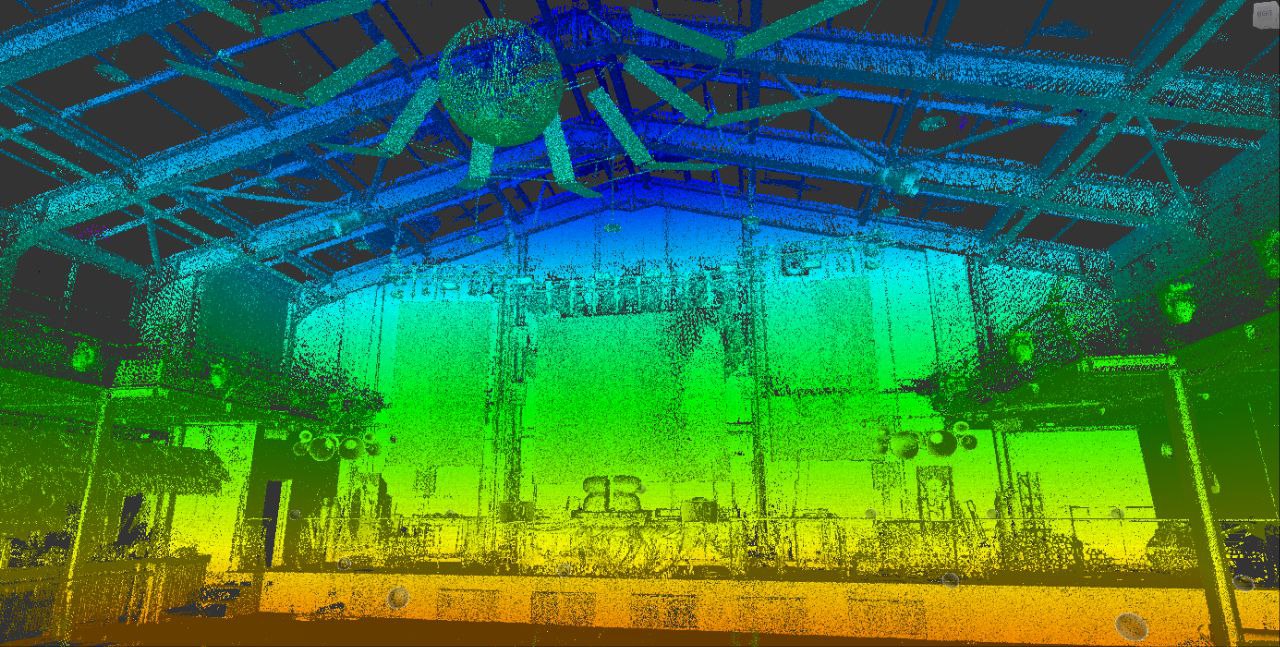
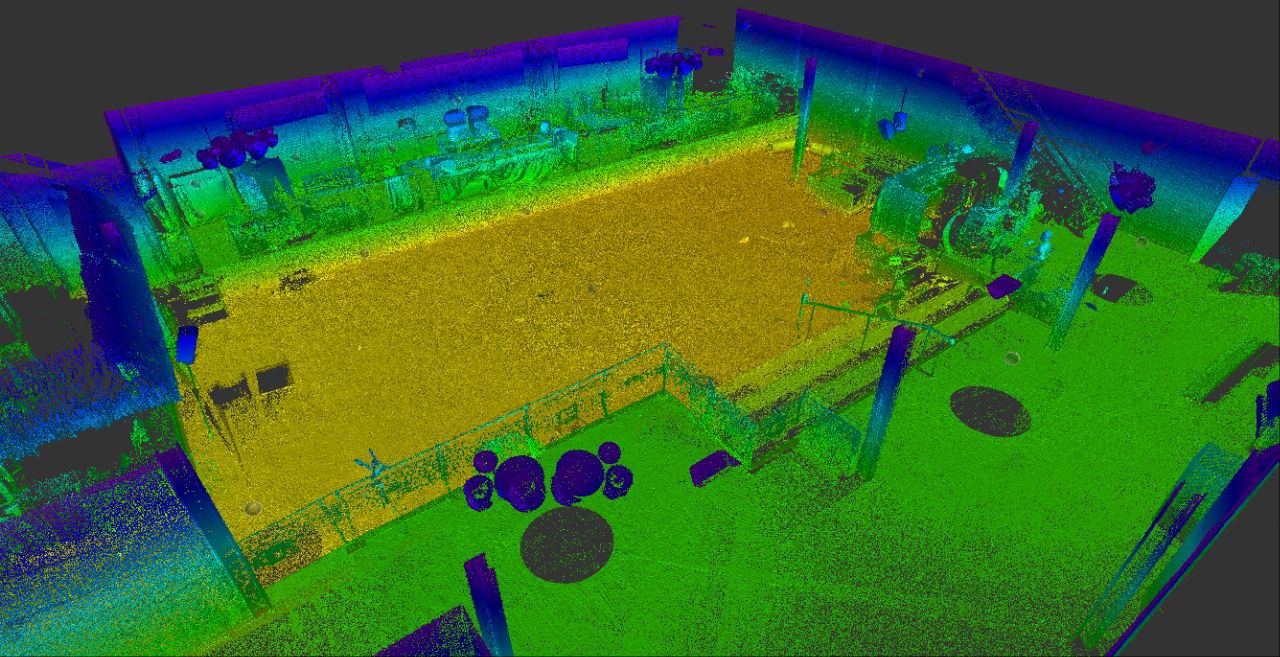
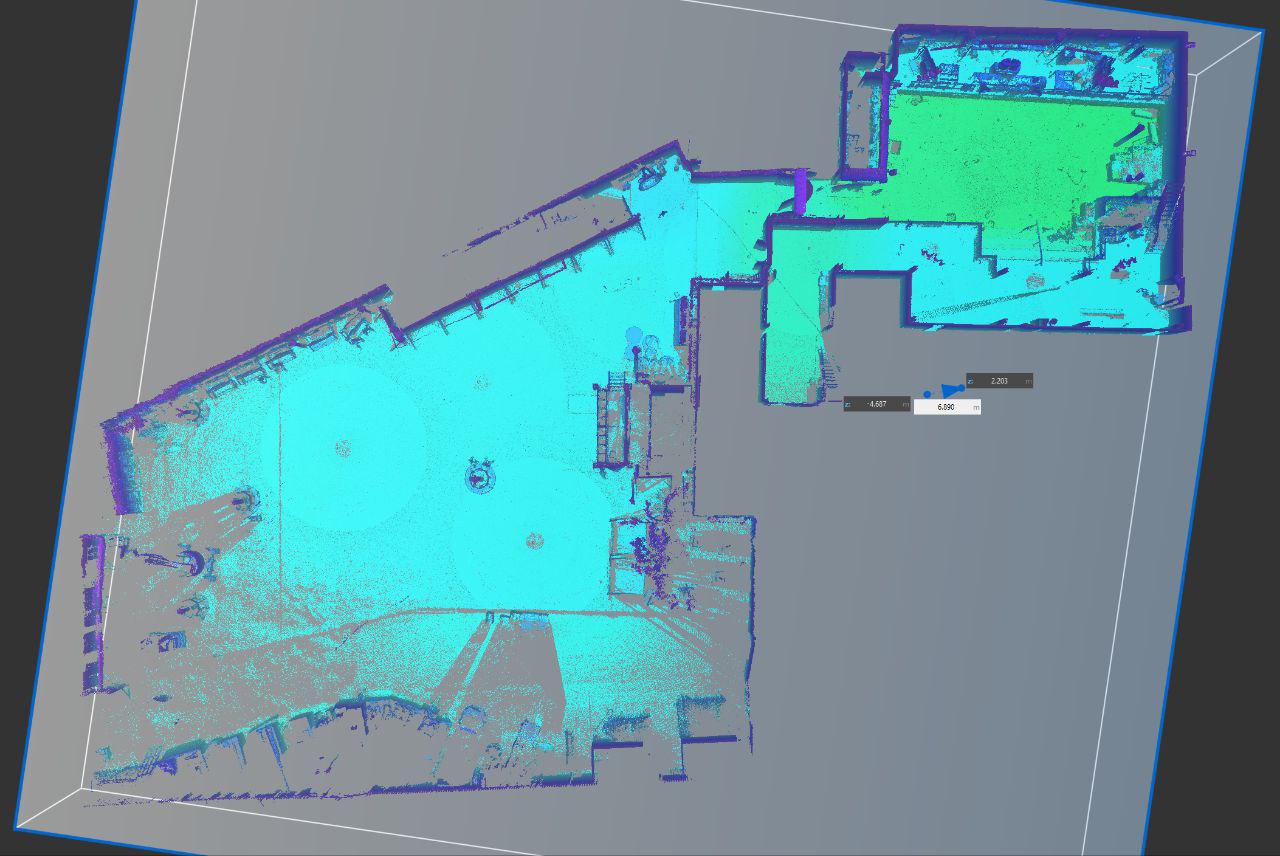
The scanner produces a detailed point cloud: millions of coloured data points that form a precise 3D map of the space. We can view floor plans from above, inspect ceiling structures, measure distances between any two points, and identify issues that would otherwise only surface mid-build. This data is the single source of truth for the entire project.

3

3D Design Modelling

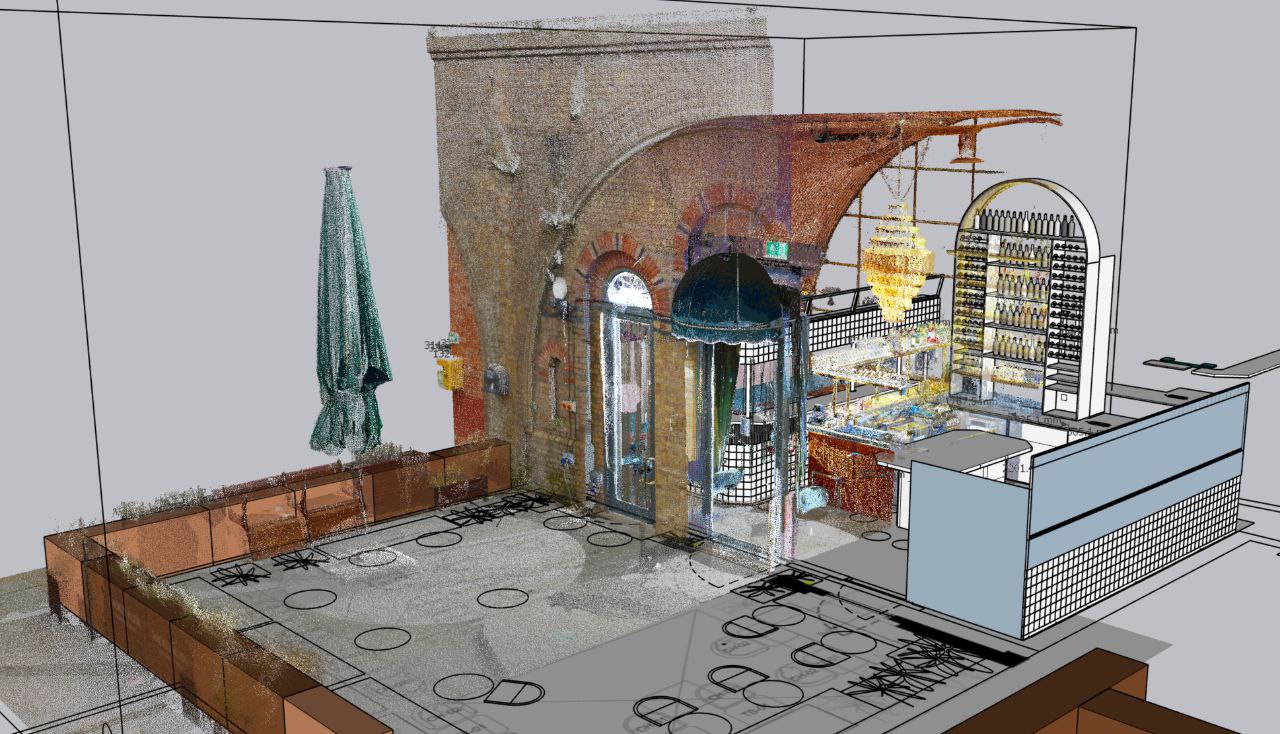
Using the point cloud as a foundation, we build accurate 3D models in SketchUp, designing the bar, kitchen, seating and every detail within the real dimensions of your space. We then overlay the design onto the LiDAR data, so you can see exactly how the finished restaurant will look inside the actual building. Changes are made digitally, not on site.
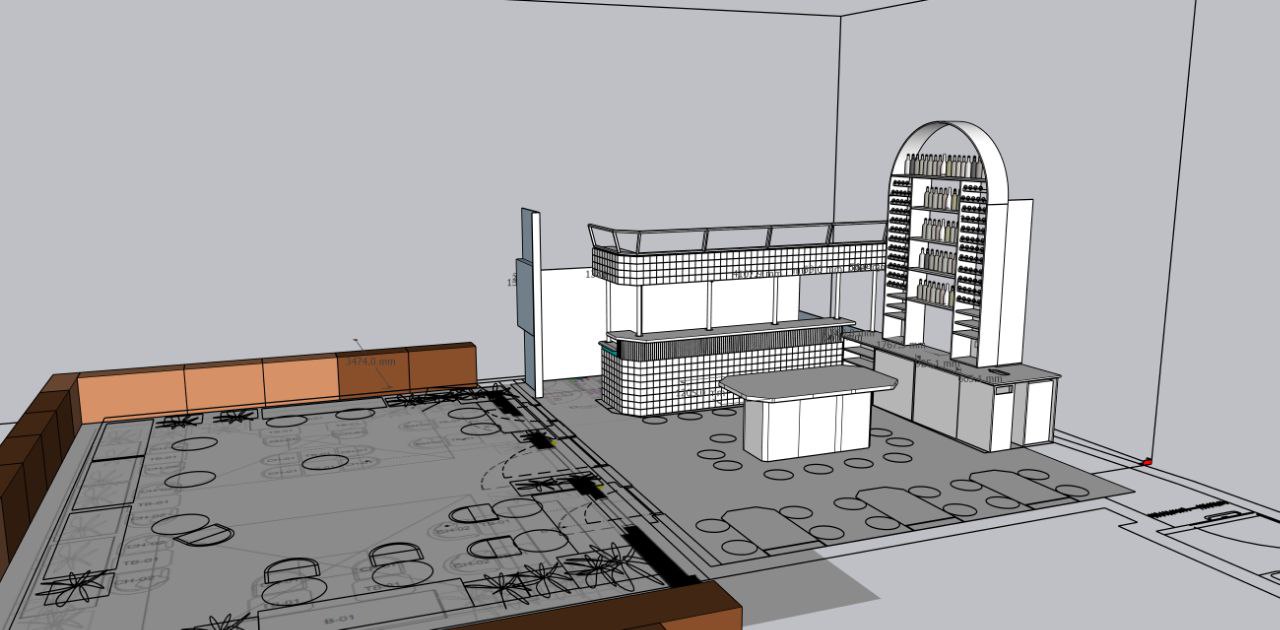
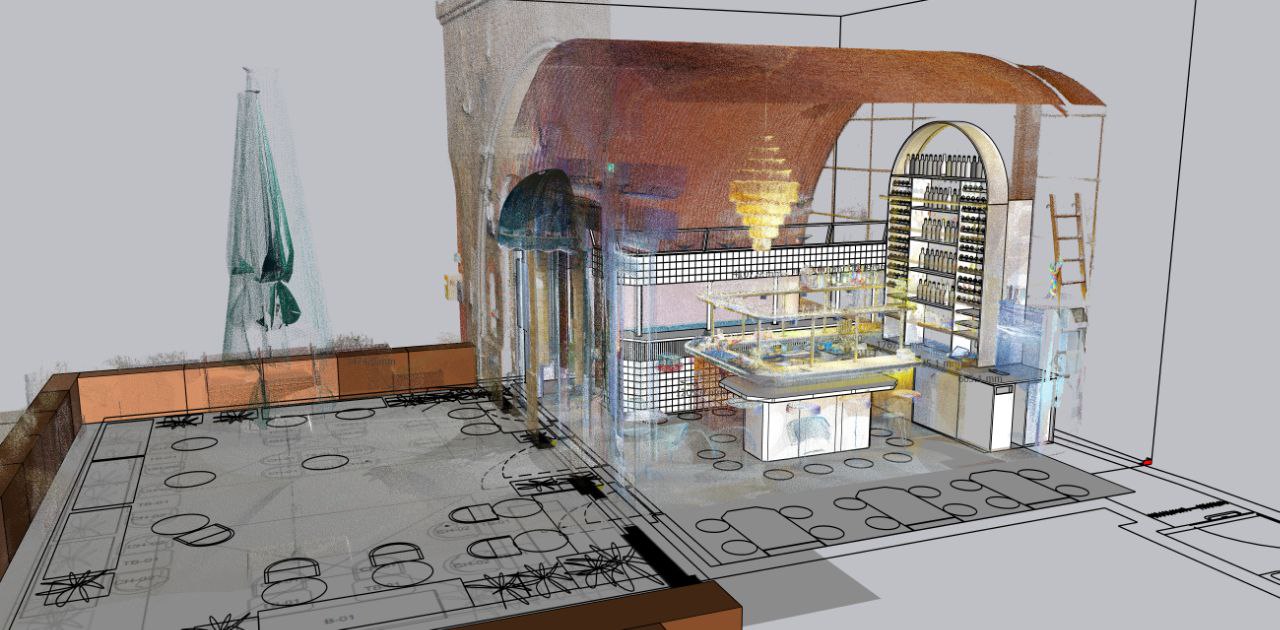
SketchUp 3D model showing bar layout with floor plan SketchUp model overlaid with LiDAR point cloud data Full LiDAR overlay with SketchUp design showing brick arches
4

The Finished Build

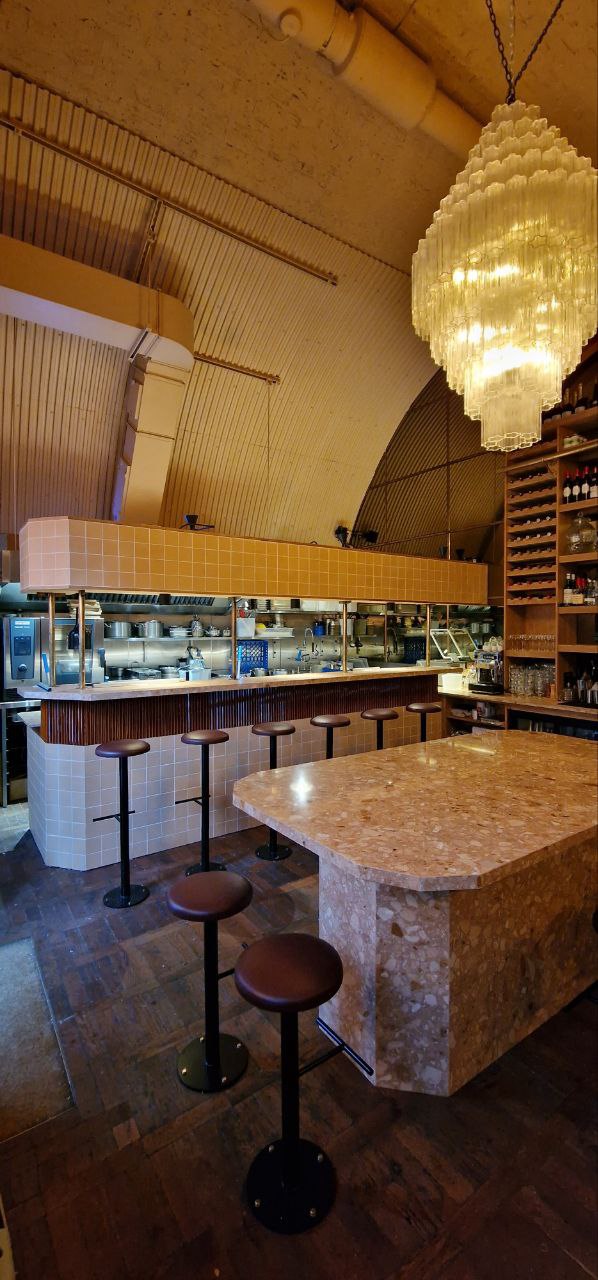
Then we build it. Because the planning was precise, the construction is precise. What you saw in the 3D model is what you get in reality: a finished restaurant that matches the design, delivered on time and on budget.
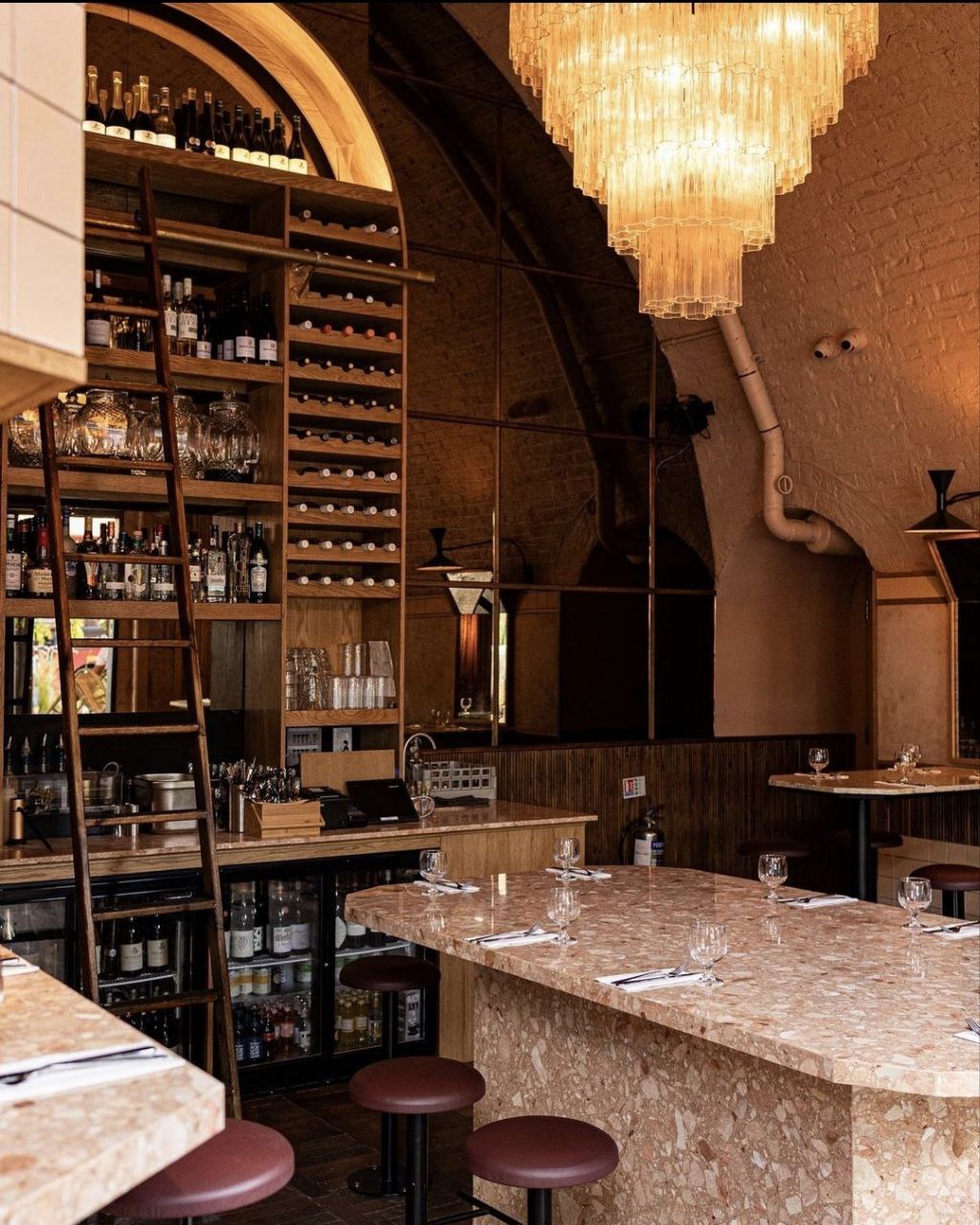
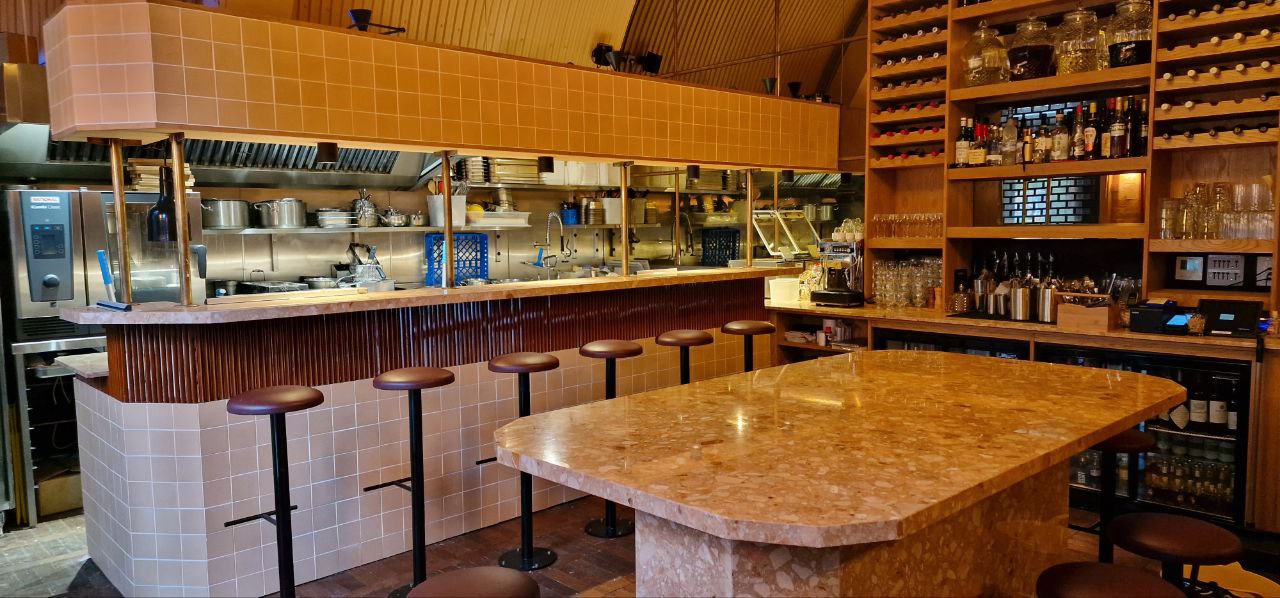
Finished restaurant bar with terrazzo counter, arched wine shelving and chandelier Finished restaurant open kitchen with tiled bar counter and wine shelving Finished restaurant wider angle showing arched ceiling, chandelier and full bar

LiDAR Point Cloud Gallery

Raw 3D scan data: millions of laser points mapping real spaces

Video Walkthroughs

Fly through our 3D designs before a single brick is laid

3D walkthrough animations rendered from our SketchUp models

3D Design Showcase

Full 3D visualisations created in-house before construction begins

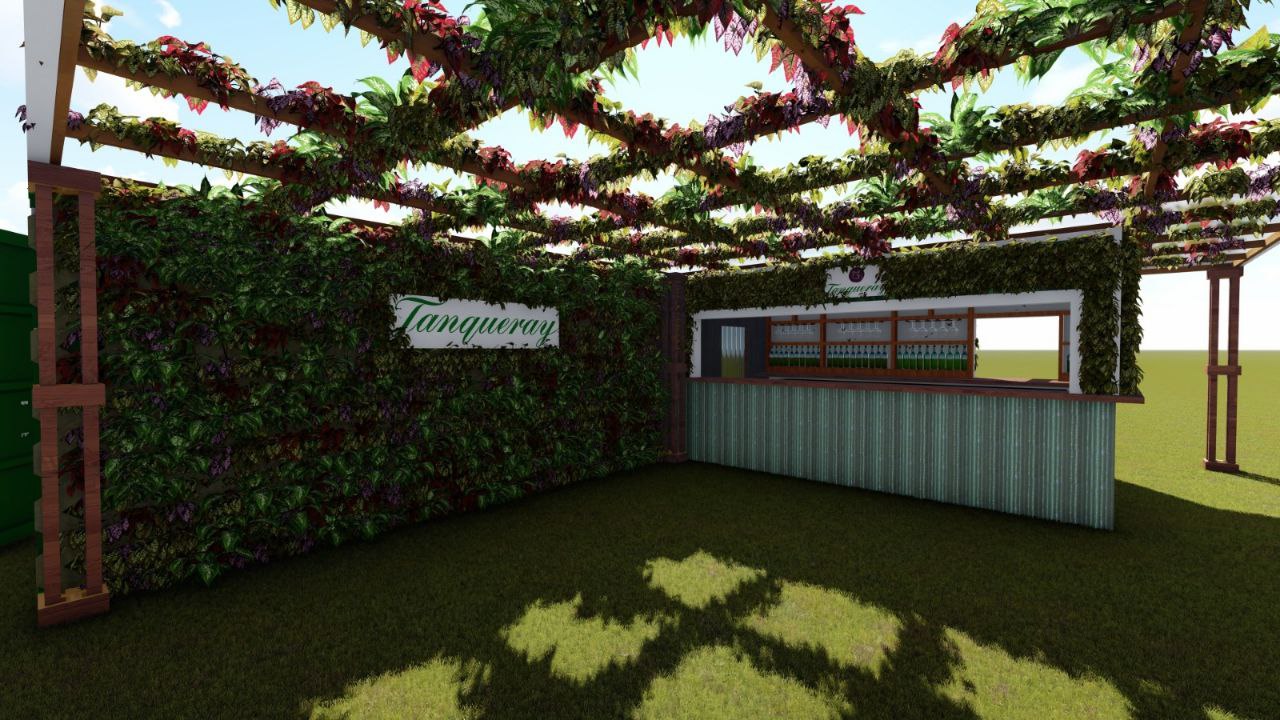
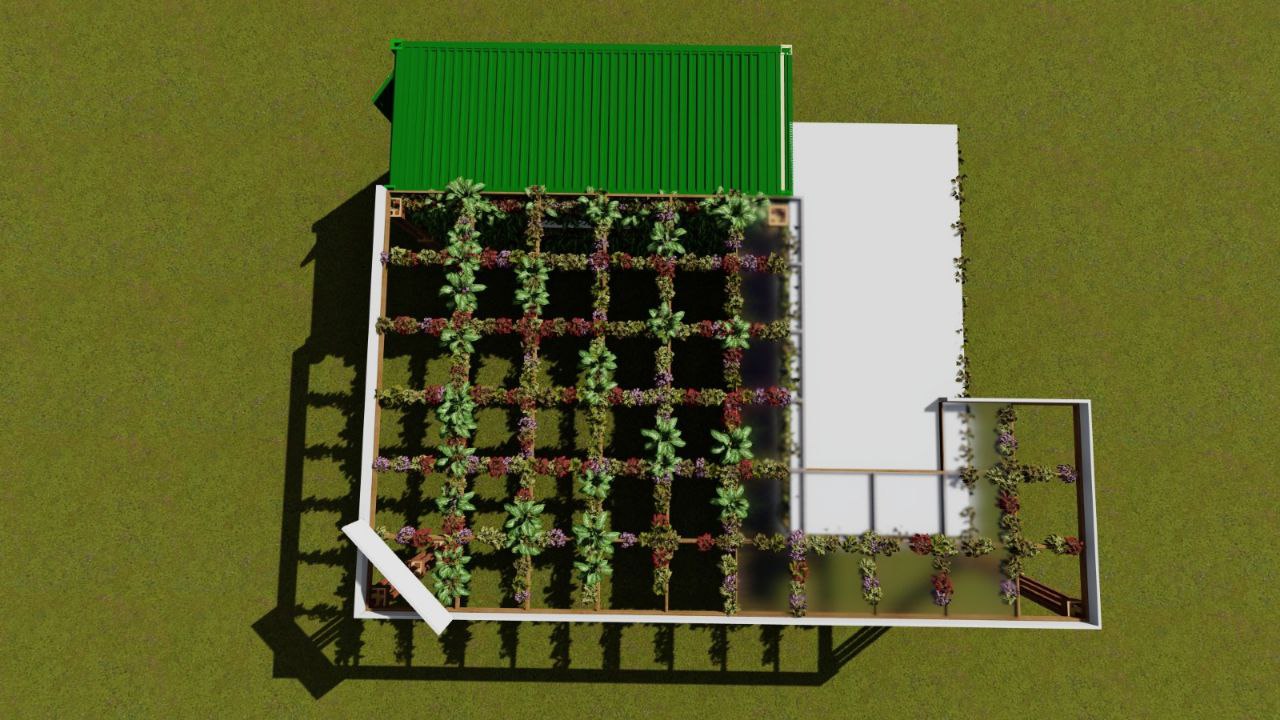
Tanqueray Terrace — Vinegar Yard

3D renders of the outdoor bar activation: pergola, floral wall feature, and branded bar counter. Designed and built by SKHB.

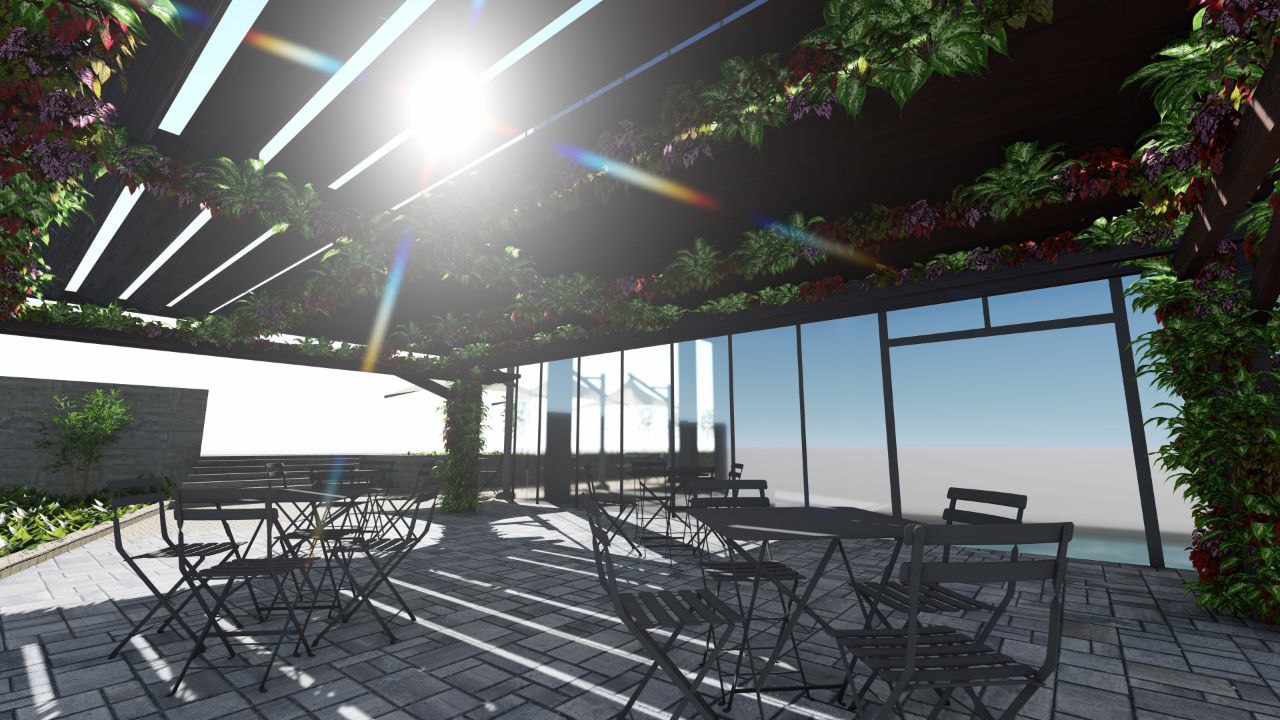
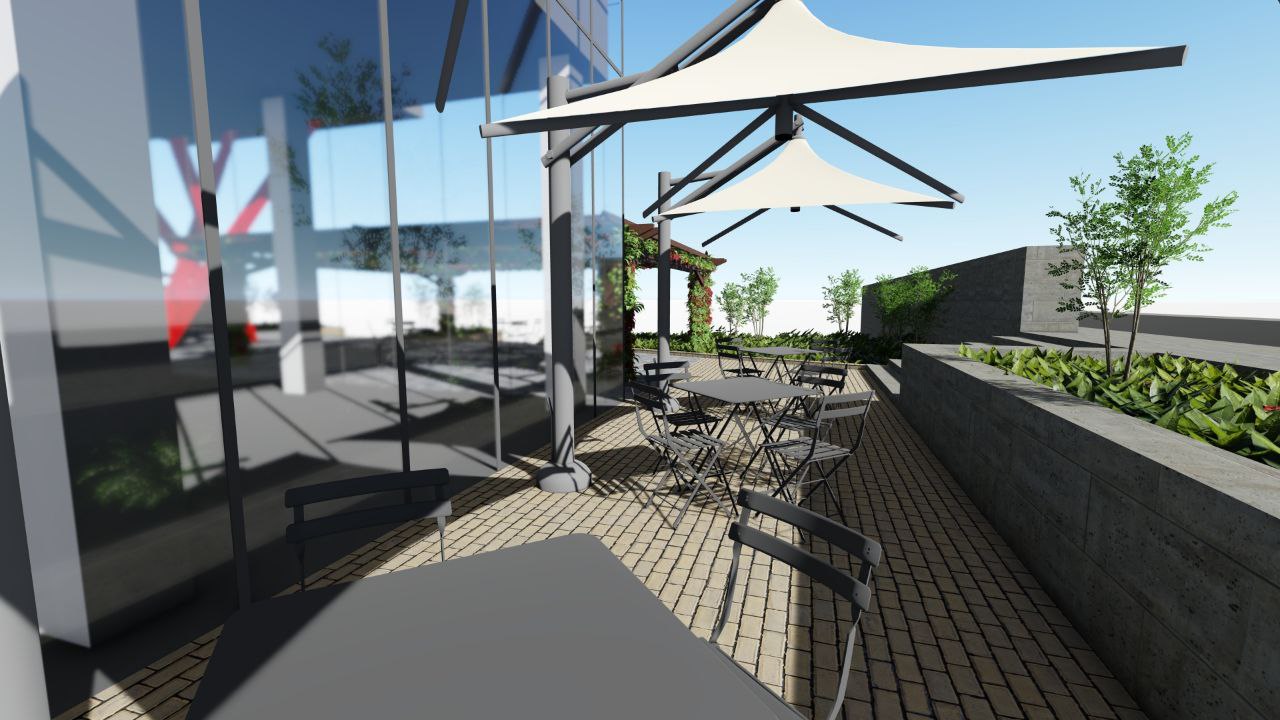
The Merchant — Beer Garden & Terrace

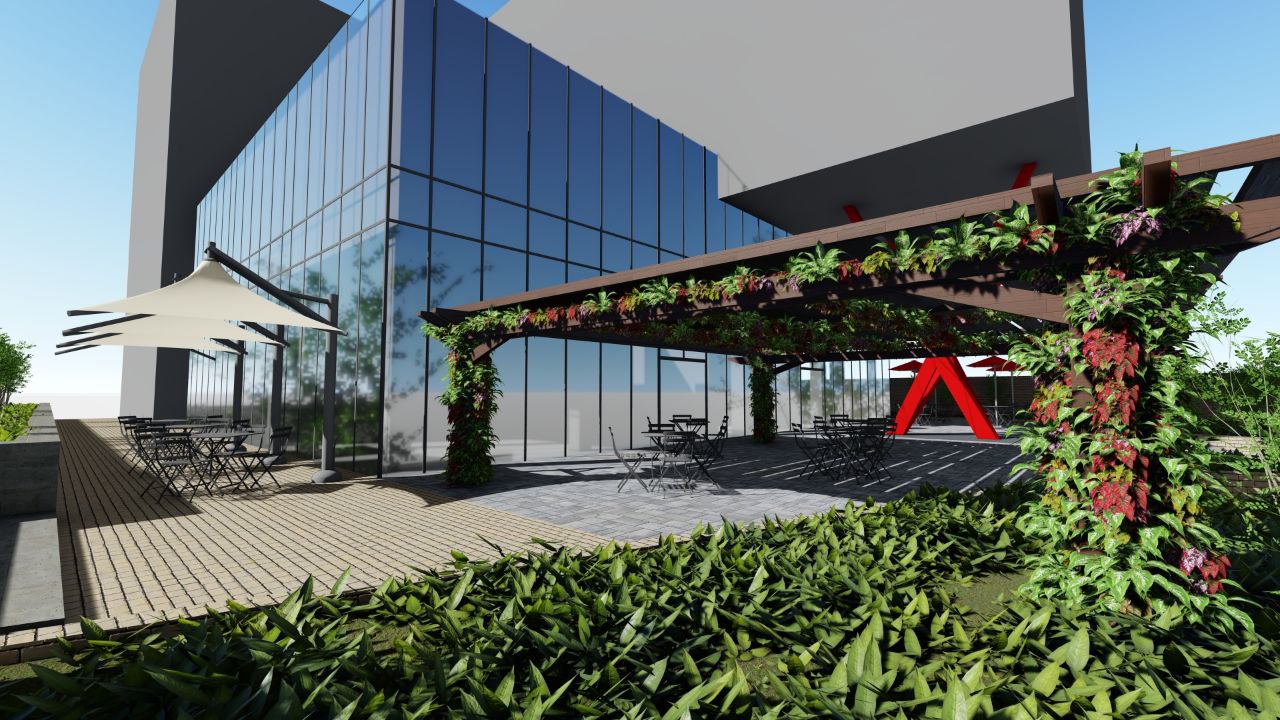
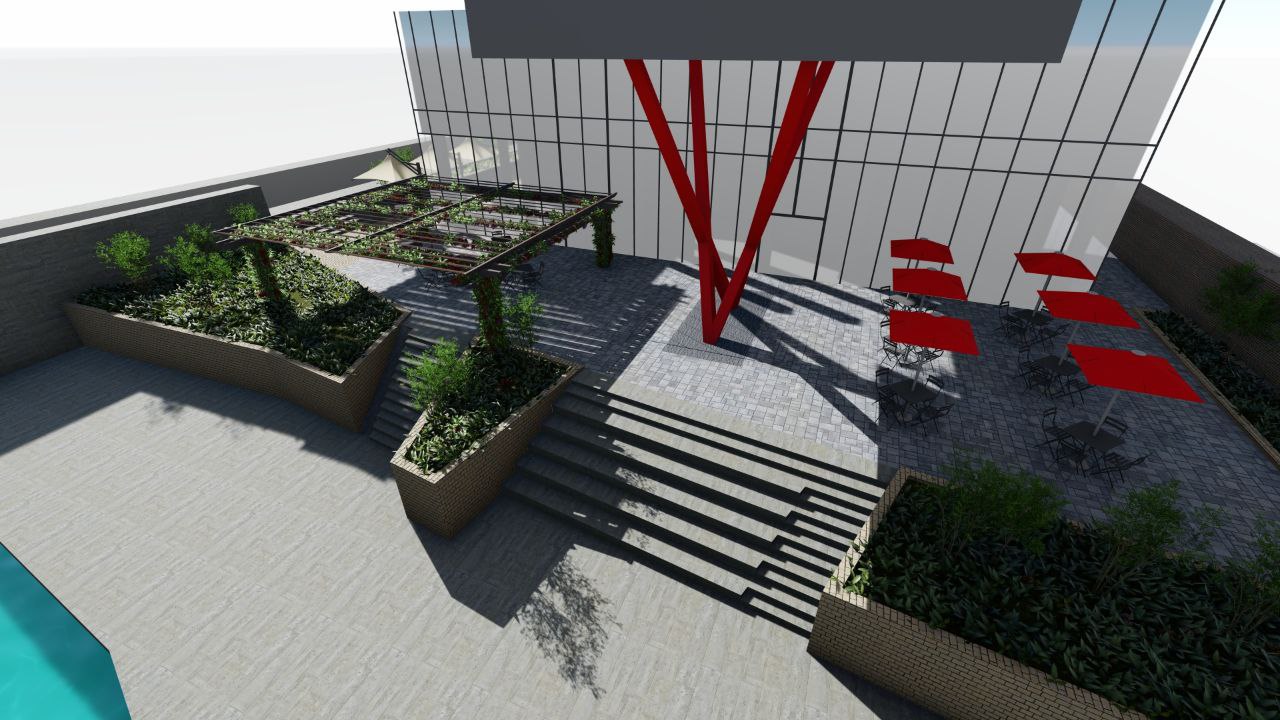
Complete outdoor dining and beer garden design: pergola structure, landscaping, sail shades, planters, and waterside terrace seating.

Drone Surveying & Photogrammetry

Aerial inspections and 3D site mapping before construction begins

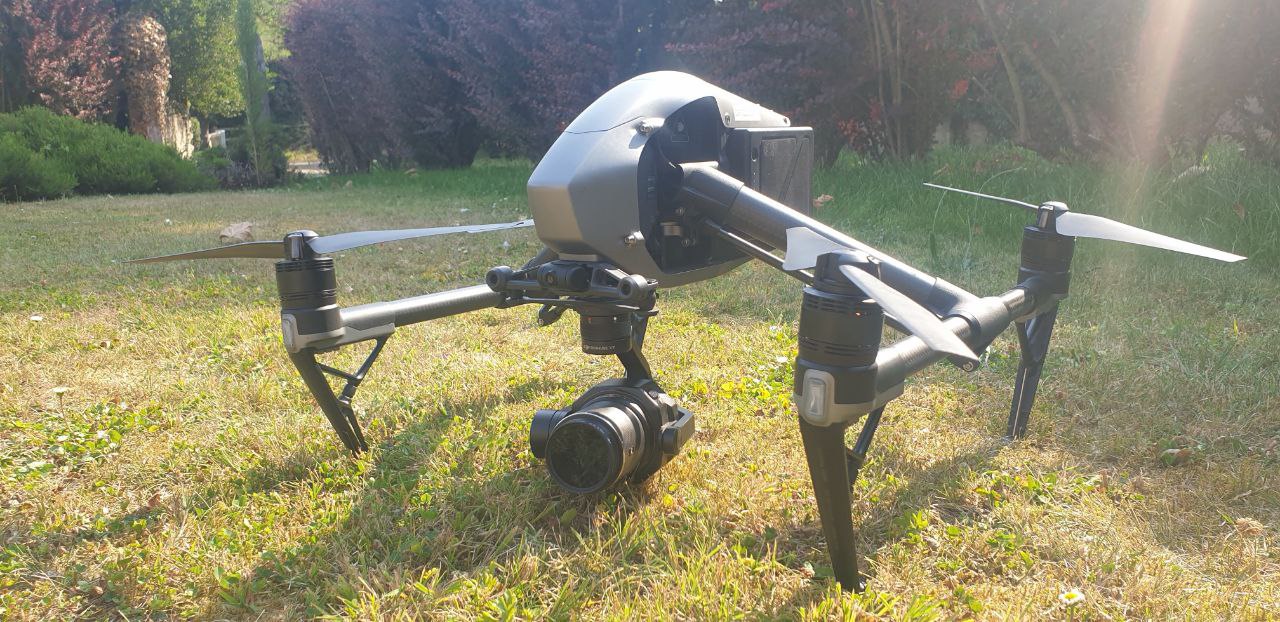
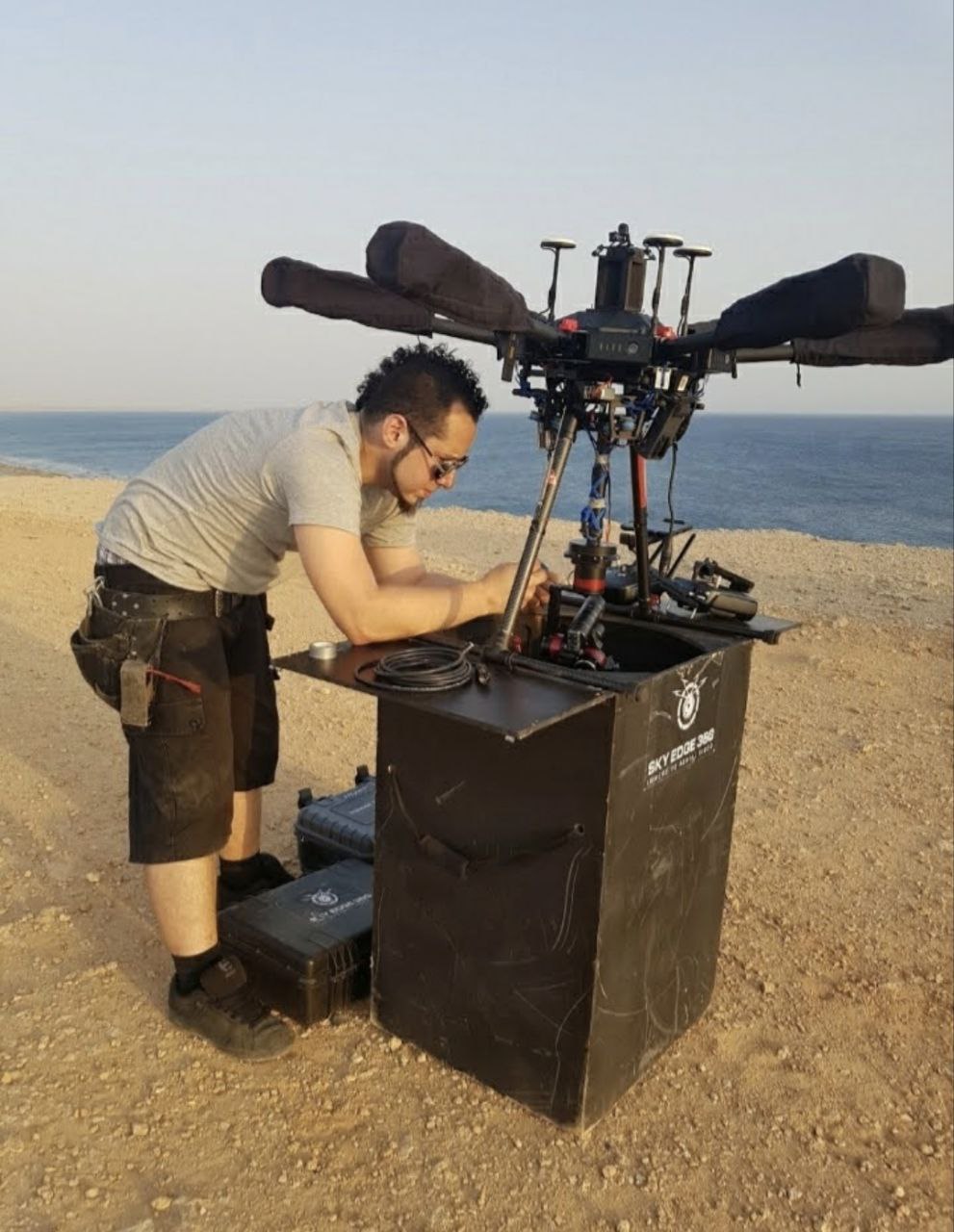
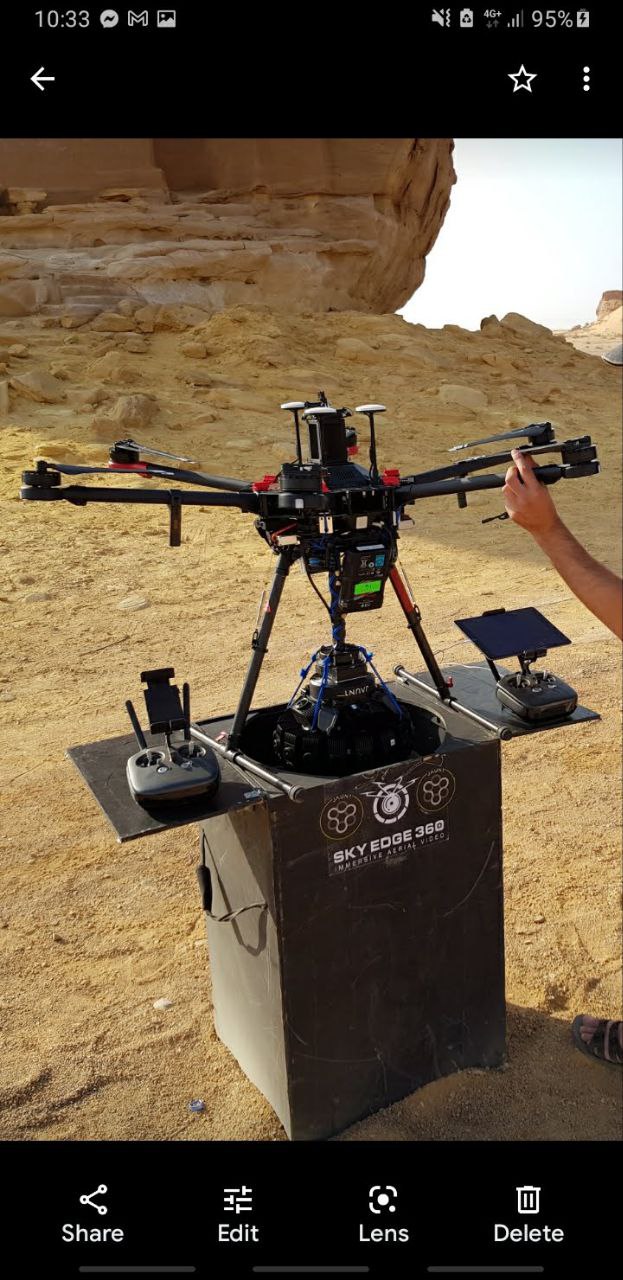
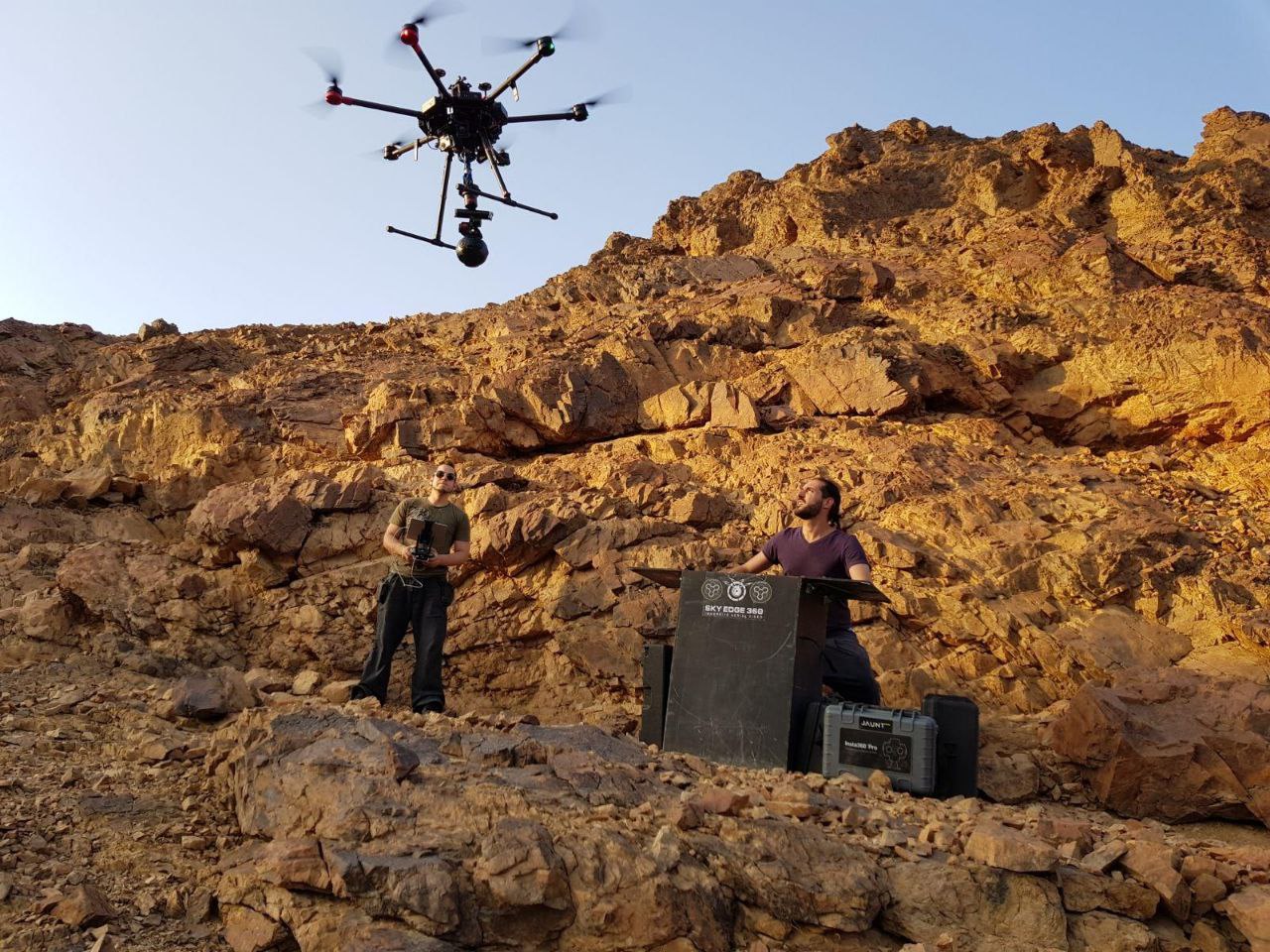
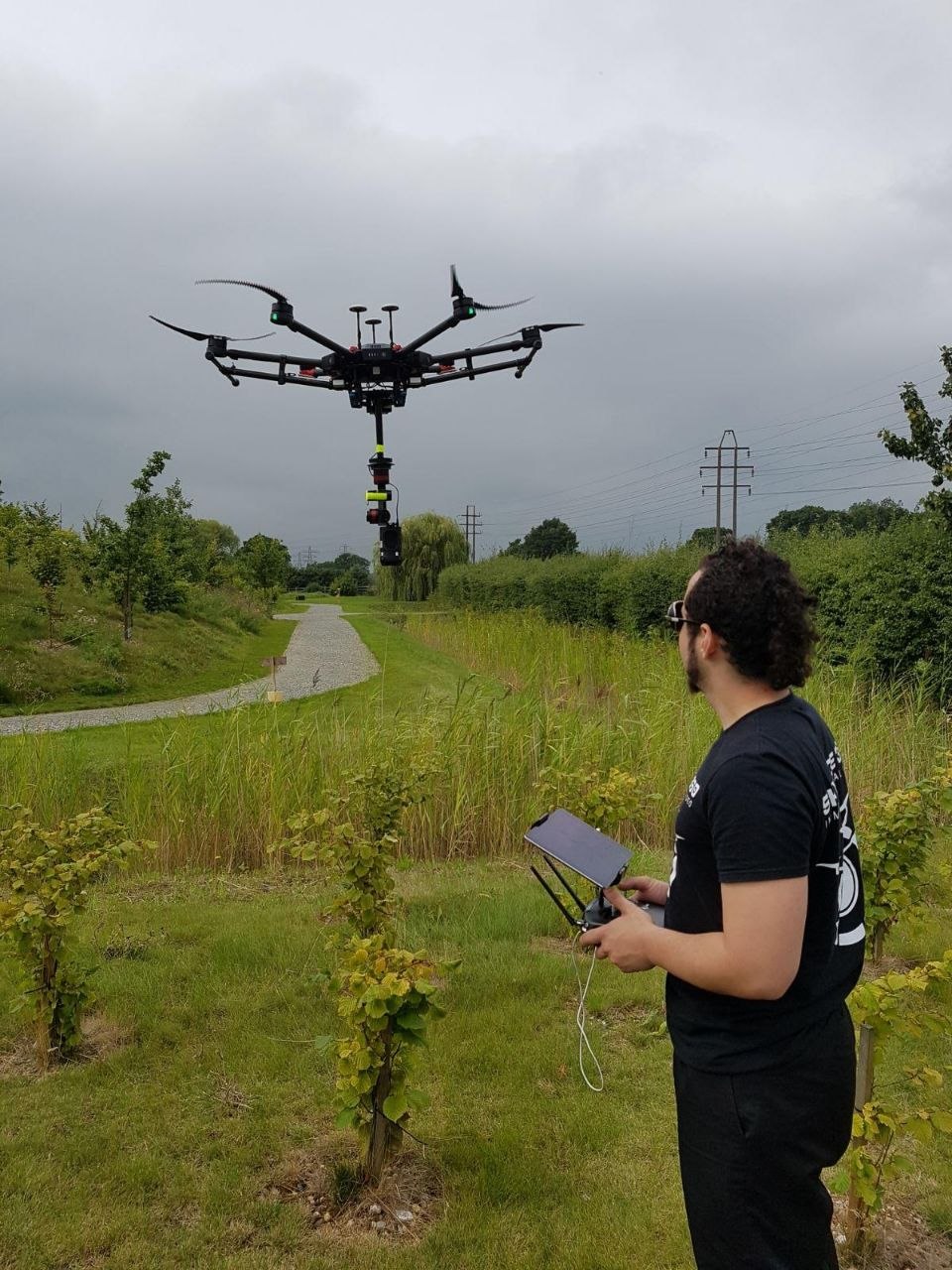
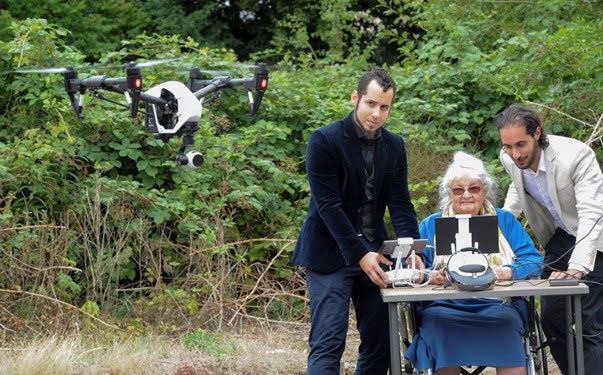
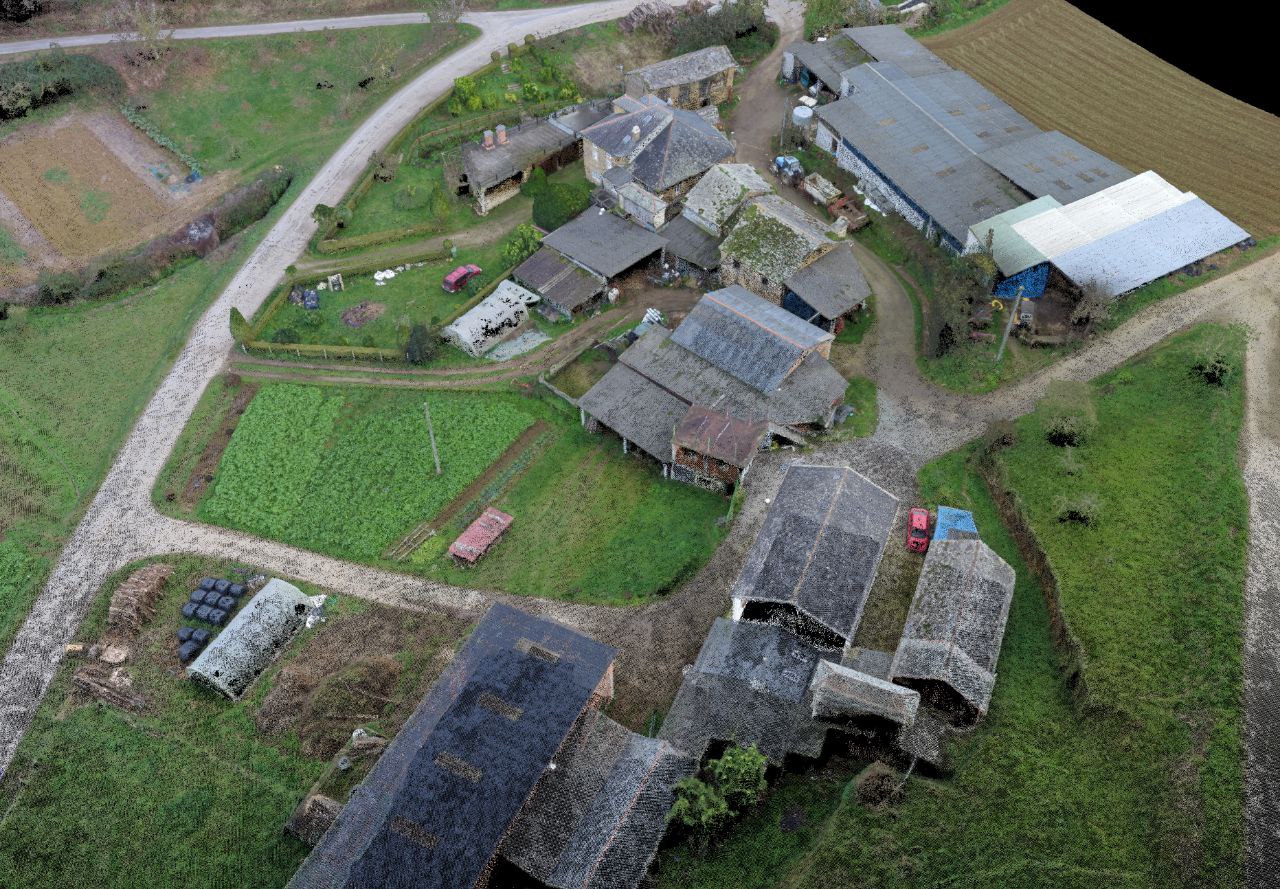
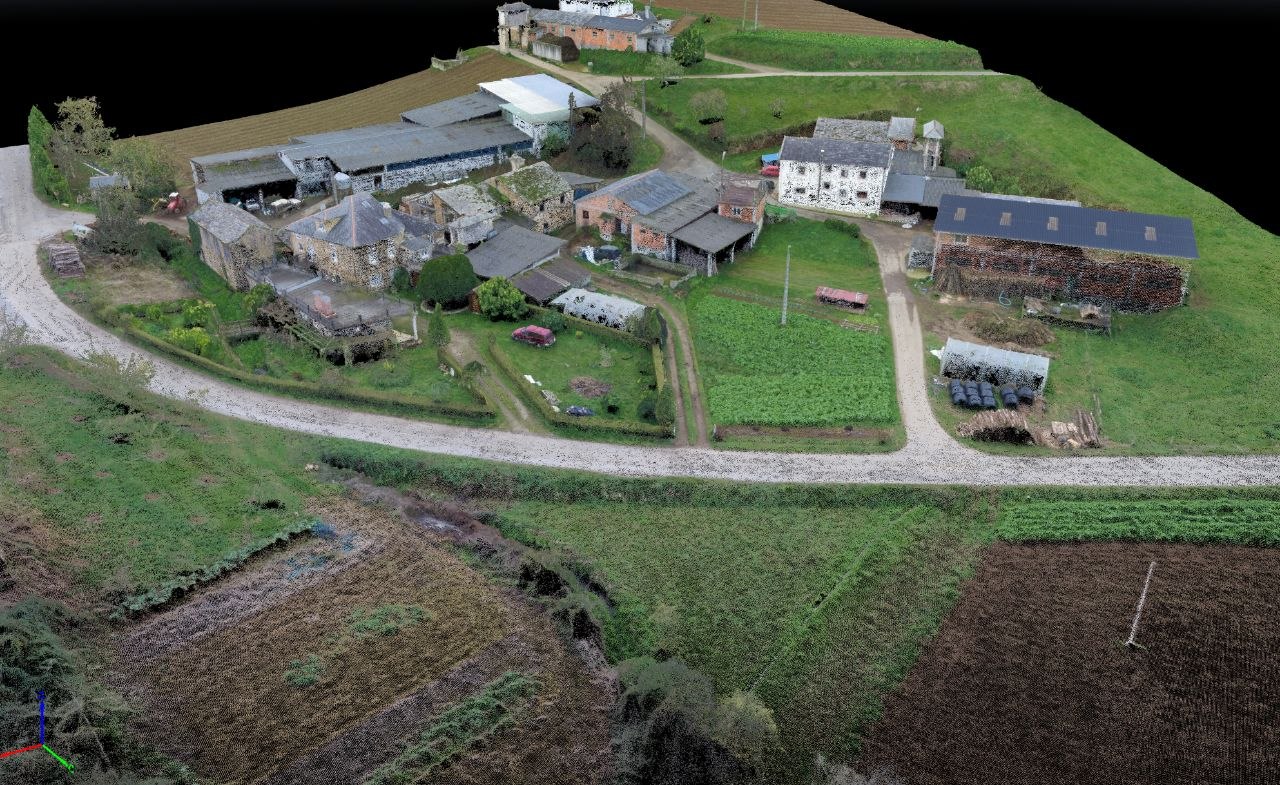
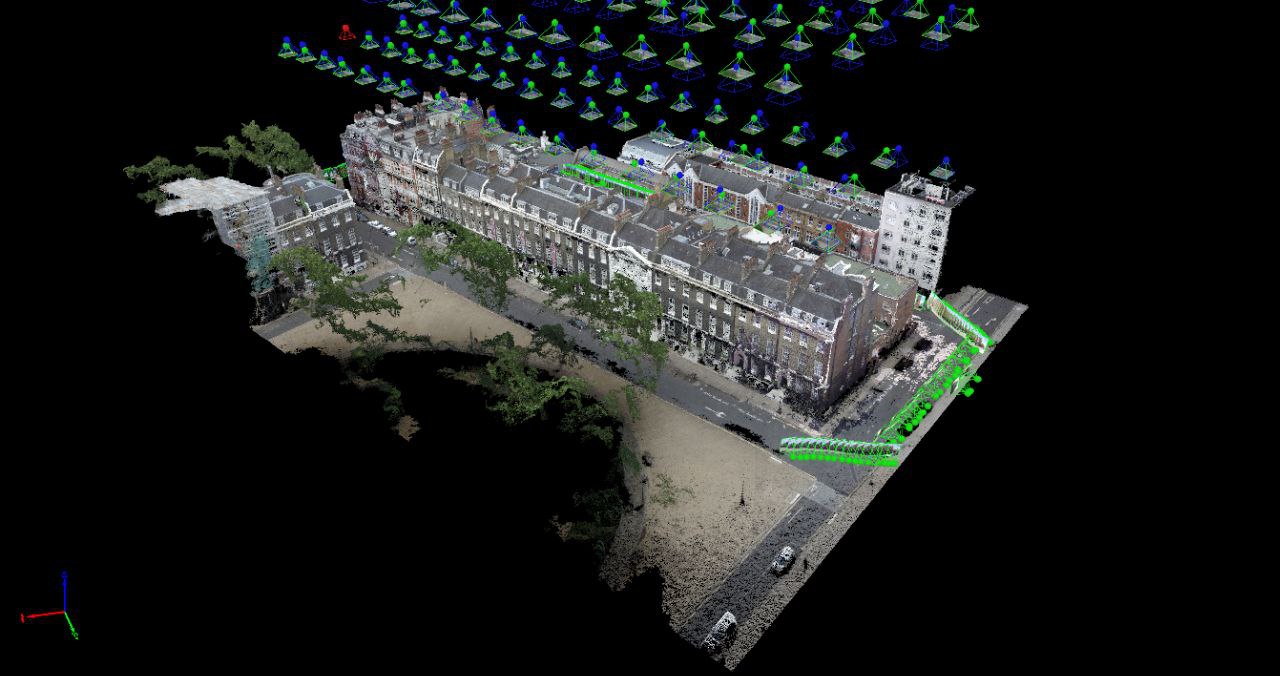
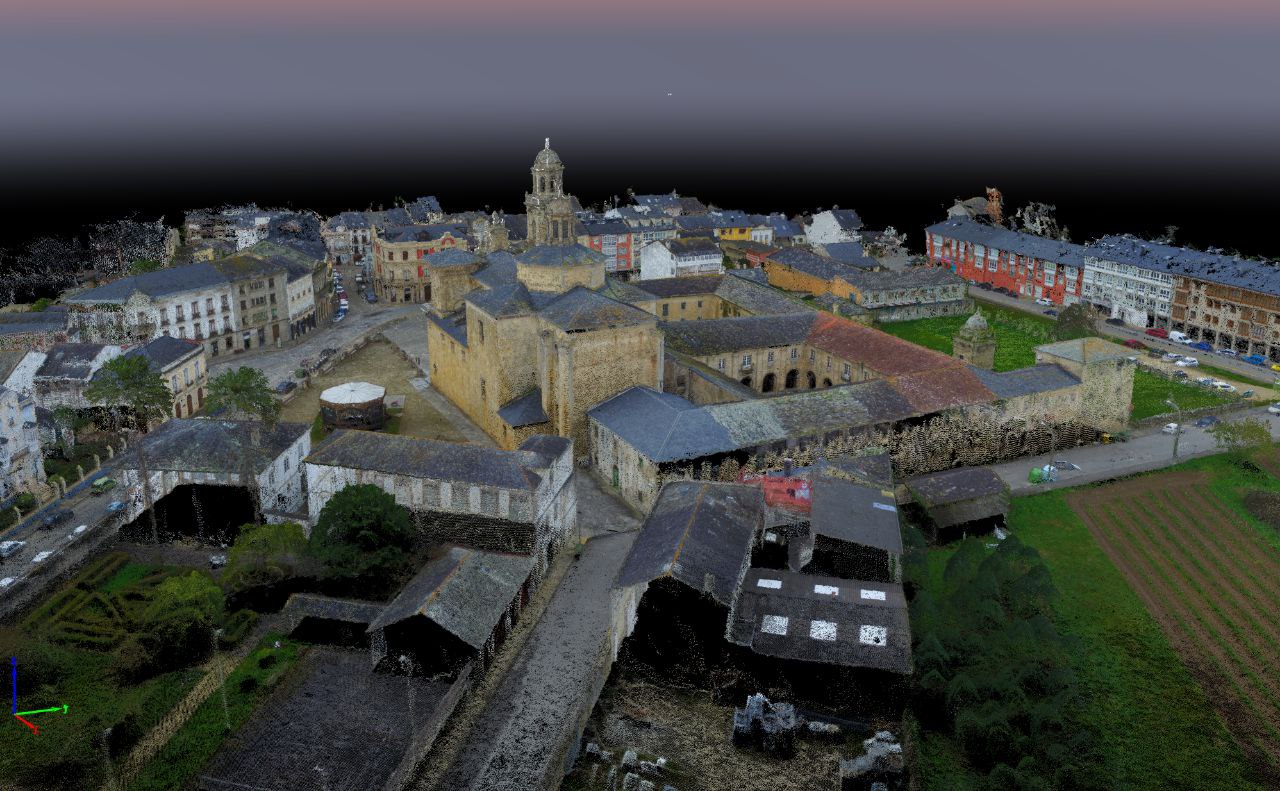
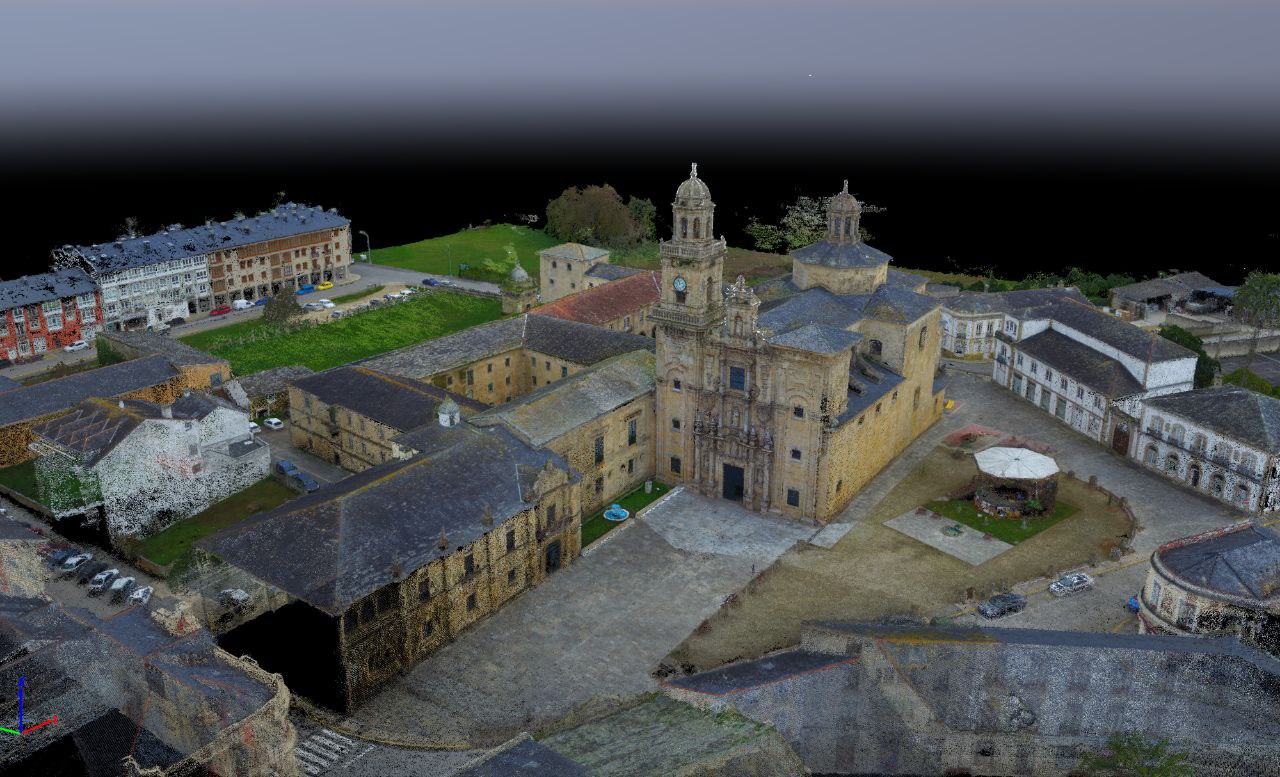
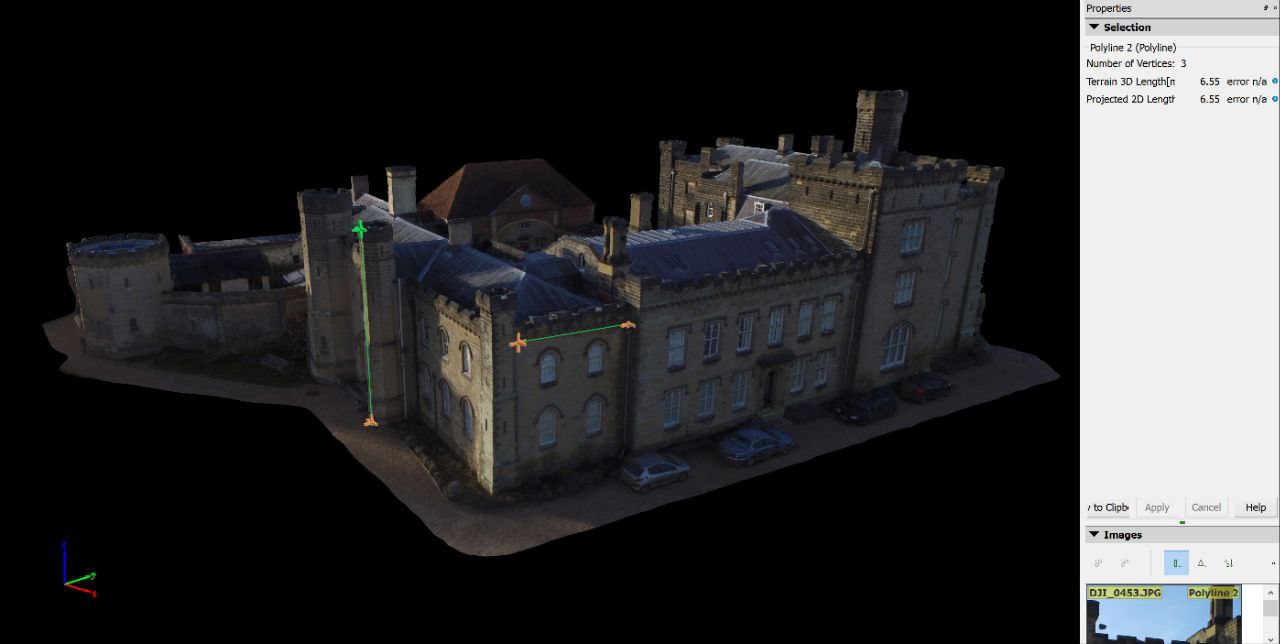
In partnership with Sky Edge 360, we use drone technology to capture aerial photography, video, and photogrammetry data for site inspections and pre-construction surveys. Drone-captured imagery is processed into detailed 3D models, mapping entire buildings, streetscapes, and sites with precision that ground-level surveys cannot achieve.

Our Equipment

Photogrammetry 3D Models

Hundreds of overlapping drone photographs processed into millimetre-accurate 3D models, used for site analysis, measurements, and construction planning.

The Rendering Pipeline

From 3D model to photorealistic visualisation: SketchUp/Rhino to Unreal Engine 5

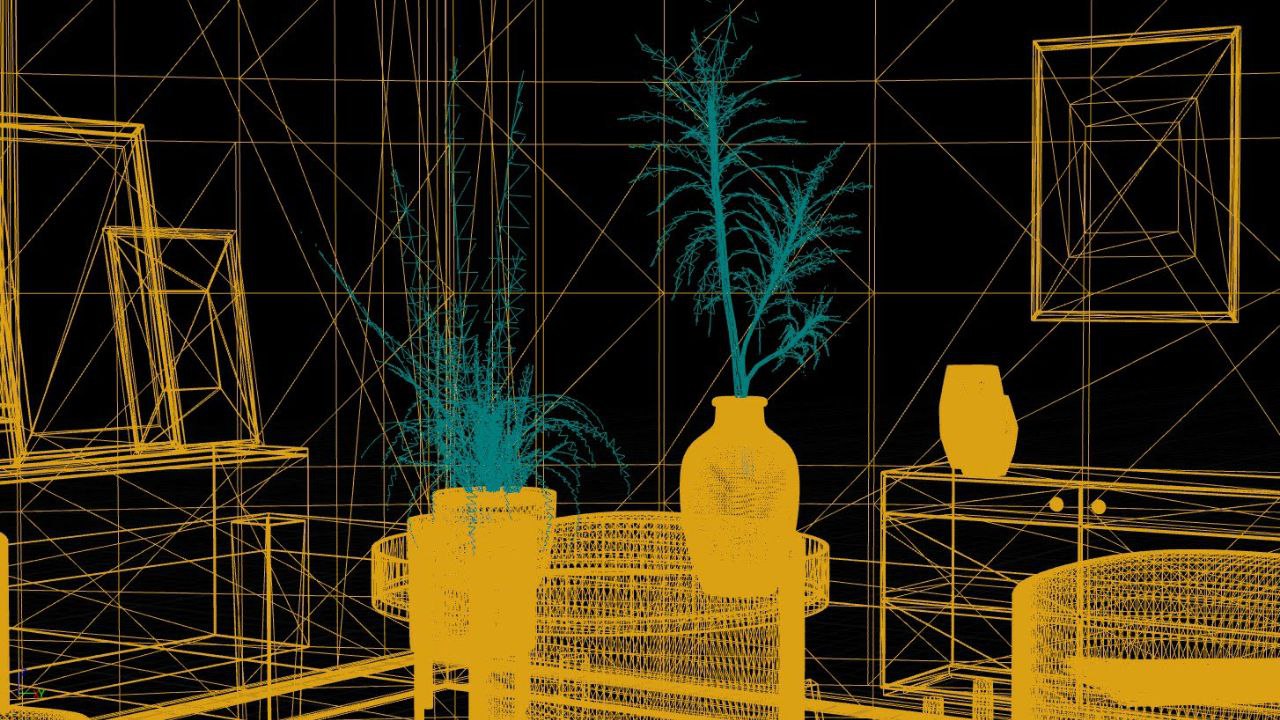
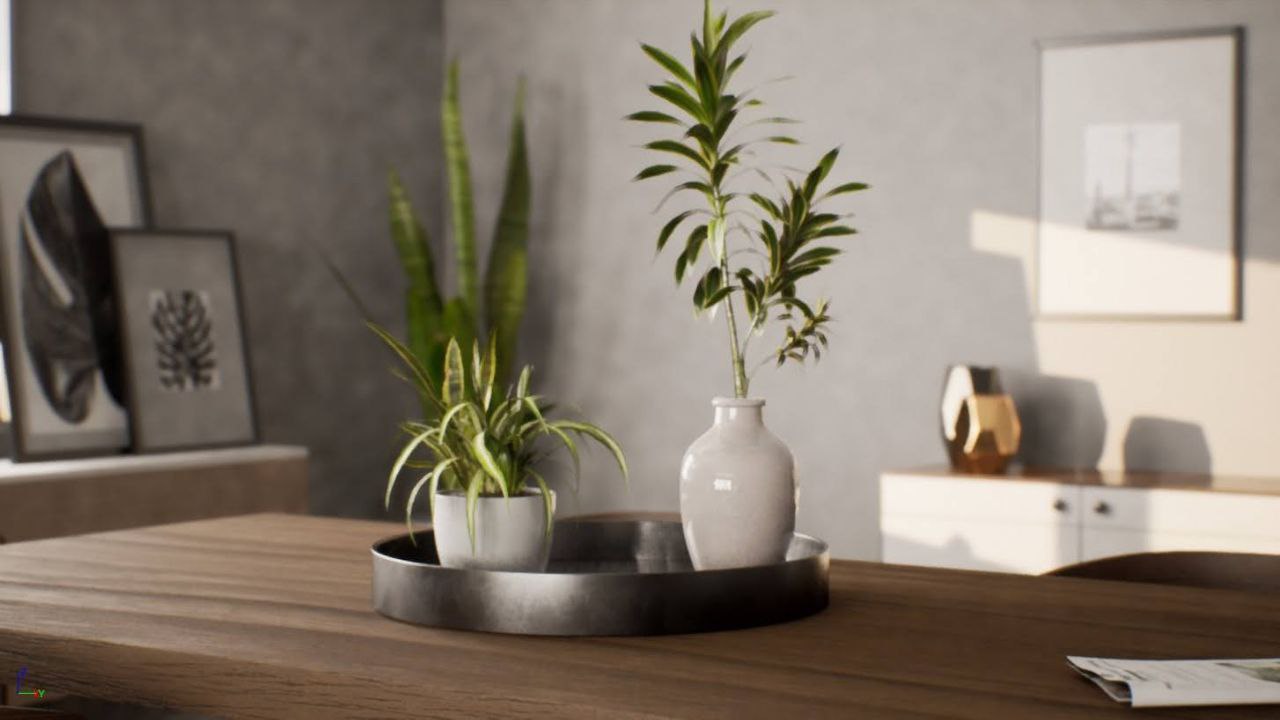
Our design process starts with 3D modelling in SketchUp or Rhino, then moves to final material rendering in Unreal Engine 5, producing photorealistic visualisations that show clients exactly what the finished space will look like before construction begins.

Wireframe 3D model — structural geometry view

Wireframe — 3D Geometry

Photorealistic render — final materials and lighting

Final Render — Photorealistic

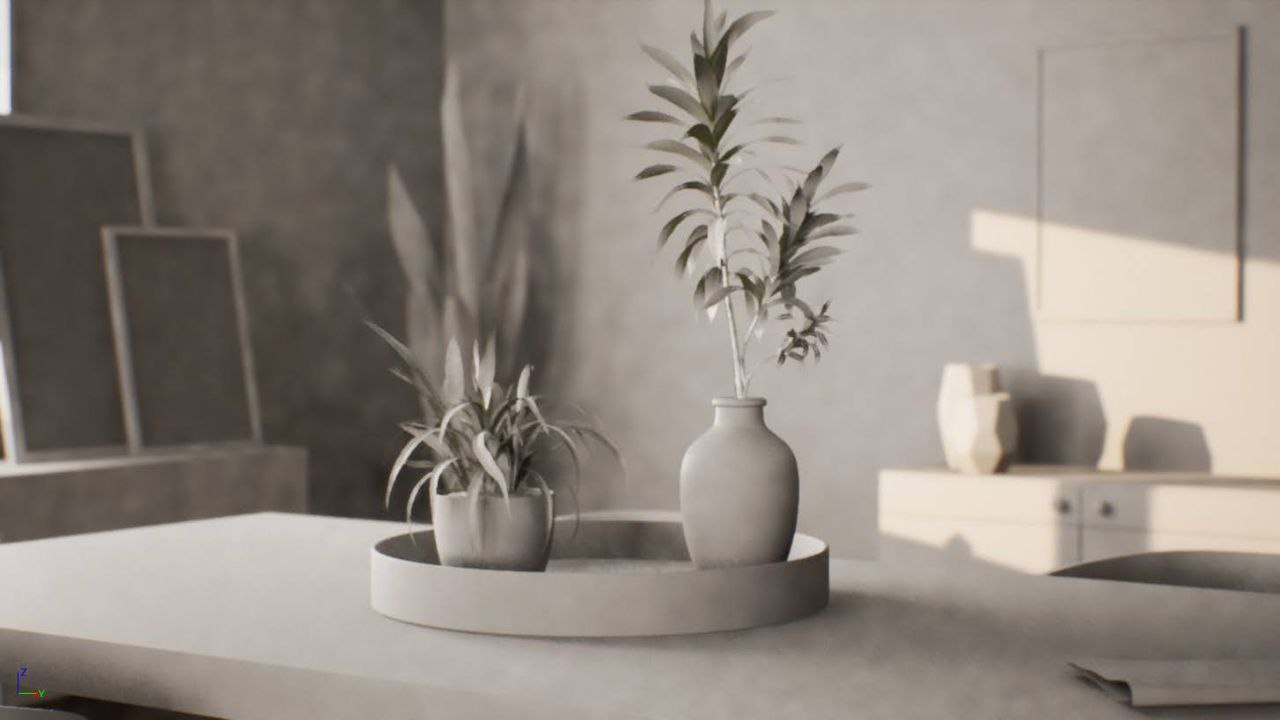
Clay render — form and lighting without materials

Clay Render — Form & Light

Photorealistic render — final materials and lighting

Final Render — Photorealistic

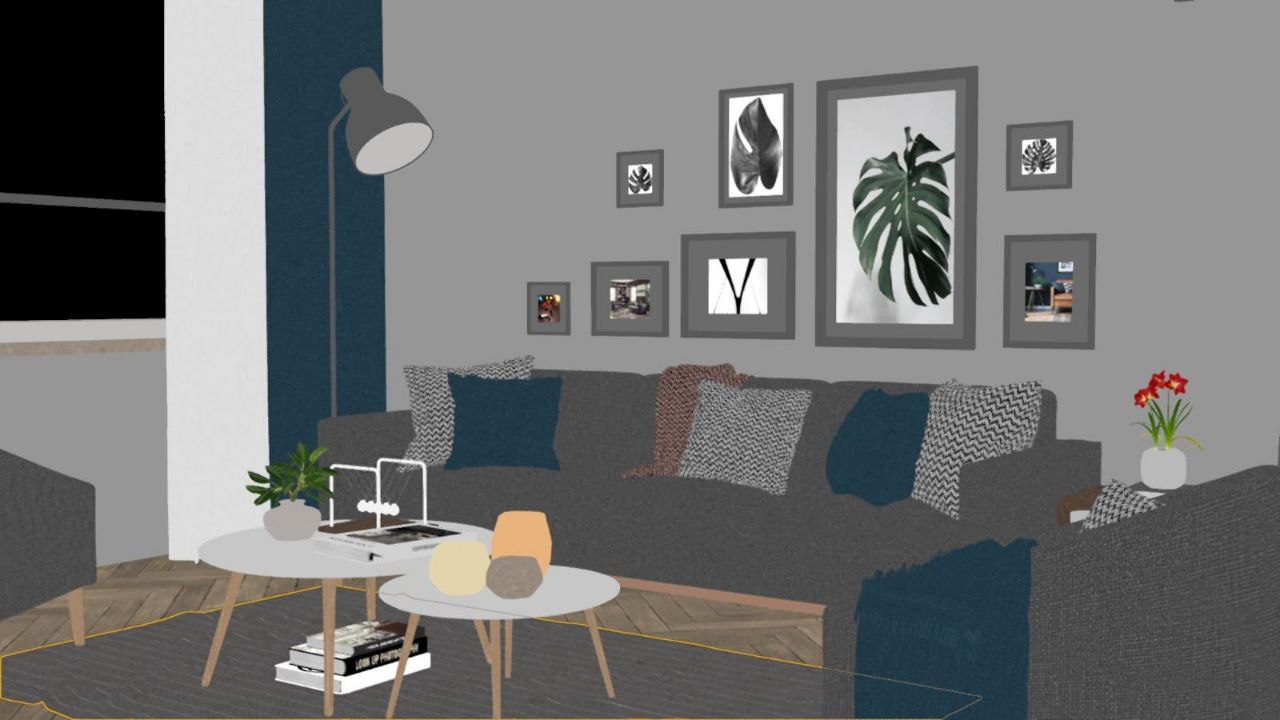
SketchUp 3D model — living room layout

SketchUp — 3D Model

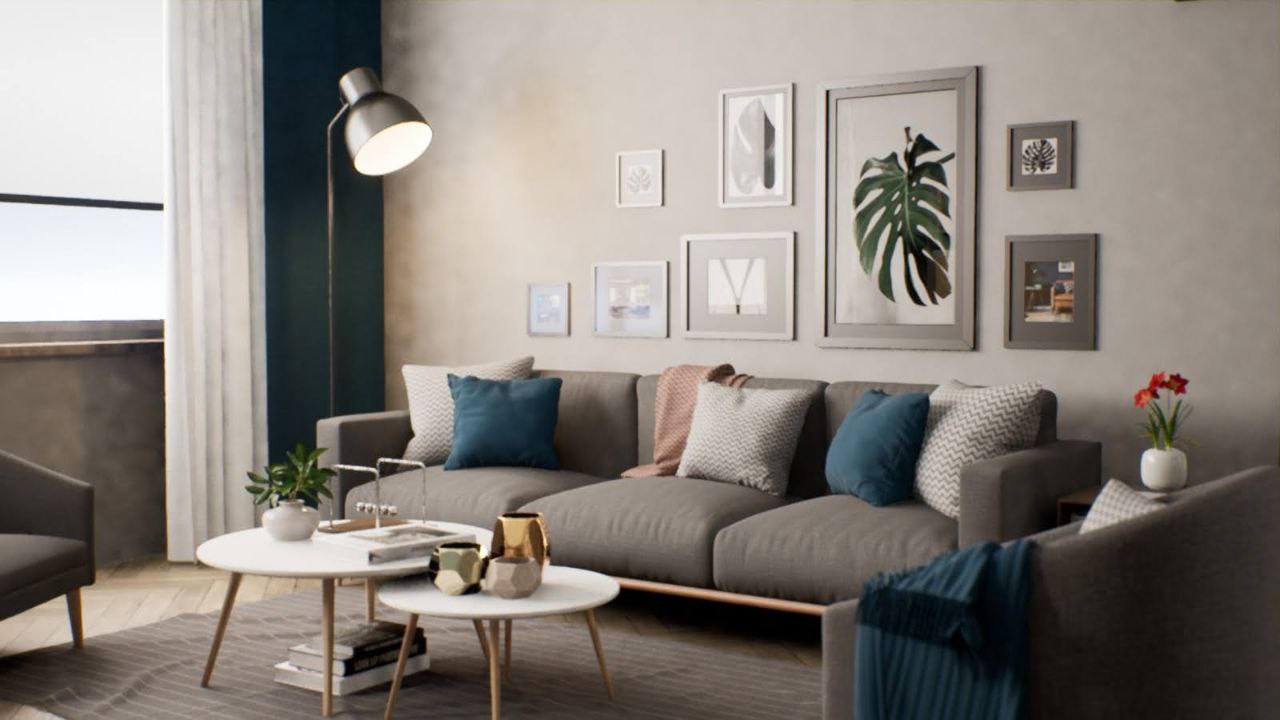
Photorealistic render — finished living room visualisation

Final Render — Photorealistic

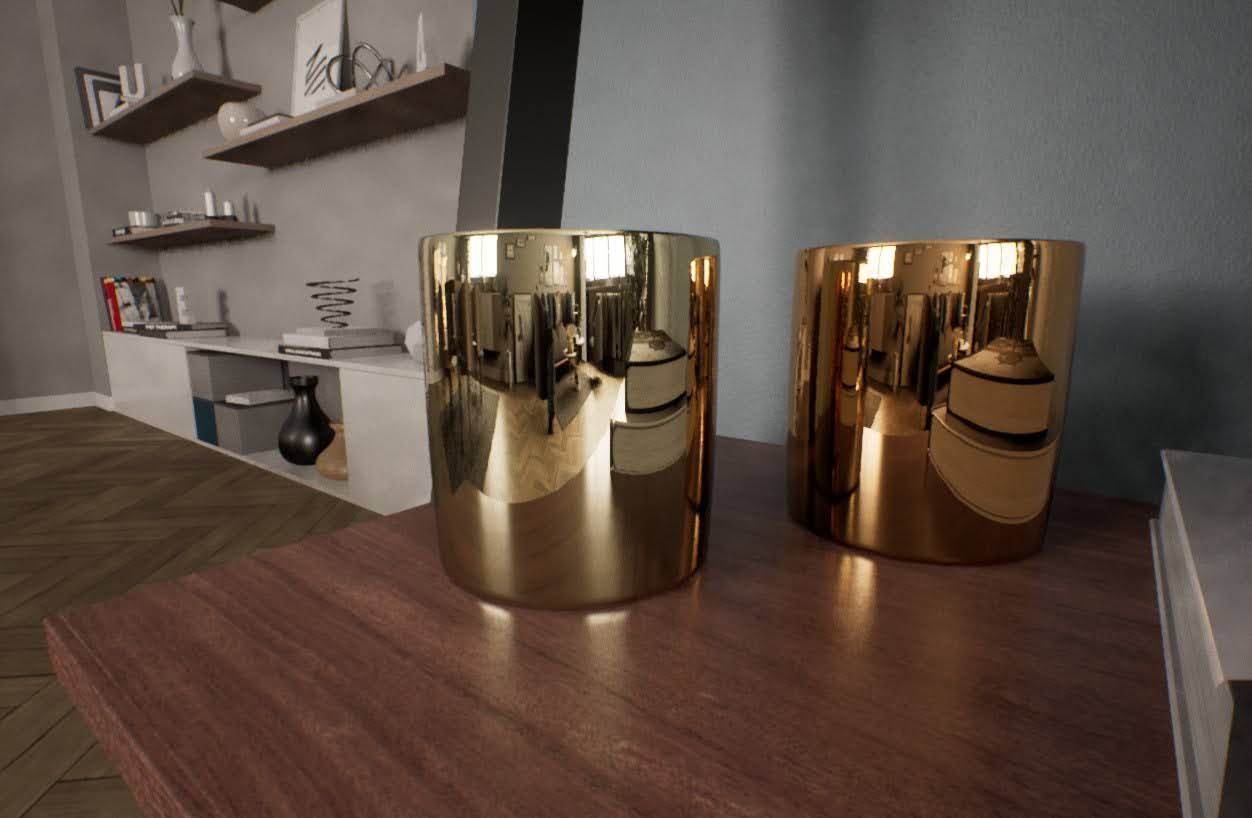
Reflective metal material render — surface detail and light interaction

Material Detail — Reflective Surfaces

Design to Reality

From technical drawing to finished build

Little Kudu — Wine Unit

A-NRD's design drawings translated into the finished wine unit by SKHB. From technical drawing to built reality.

Why This Matters

How technology-driven construction benefits your project

Millimetre Accuracy

LiDAR captures your space with precision that tape measures cannot match. Every measurement is exact, eliminating the guesswork that leads to costly errors during construction.

Fewer Surprises

Hidden pipes, uneven floors, structural quirks: the scan reveals everything before work begins. Problems are solved in the design phase, not on the building site.

Precise Cost Estimates

When the measurements are exact and the design is finalised digitally, the quote is accurate. No hidden extras, no unexpected variations, no budget overruns.

Faster Builds

Accurate planning means fewer delays. Materials are ordered to exact specifications, trades are scheduled with confidence, and rework is virtually eliminated.

Better Communication

A 3D model speaks louder than a flat drawing. Designers, clients and our build team all see the same thing, reducing misunderstandings and keeping everyone aligned.

Design Confidence

See your finished restaurant before a single wall is built. Make changes digitally, iterate quickly, and commit to a design you know will work in the real space.

See How Technology-Driven Construction
Can Transform Your Next Project

Whether you are planning a new restaurant or renovating an existing space, our LiDAR scanning and 3D design process ensures precision from the very first step.

Get In Touch